Nvidia swings expose tension in Warsh’s market-driven Fed approach
Sharp market swings around Nvidia briefly cut the priced-in odds of further Fed rate hikes, then restored them within days, underscoring the volatility in the market signals Fed Chair Kevin Warsh wants policy to lean on.
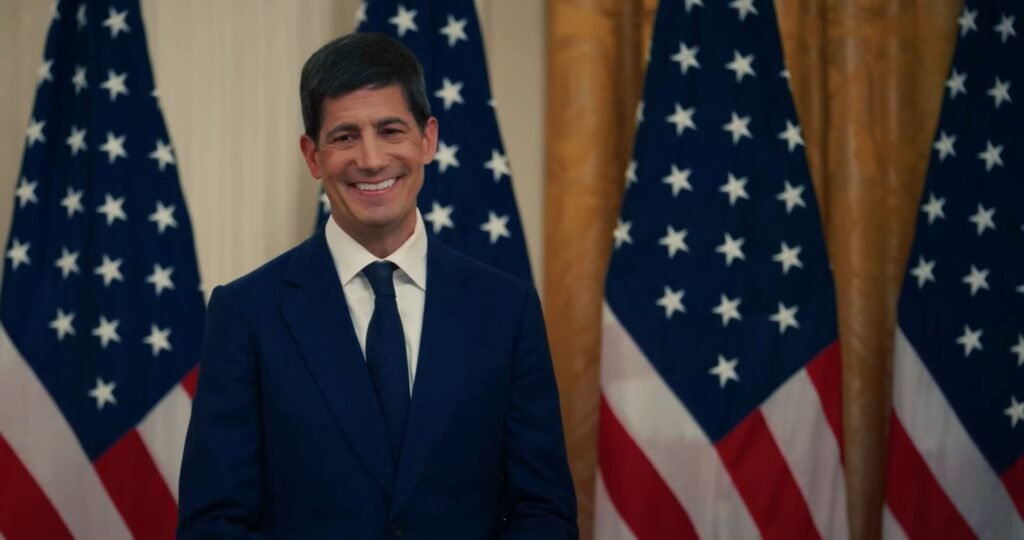
In a CNBC commentary, Steve Liesman says the episode highlights a dilemma for Warsh. On Friday, a stock sell-off lowered market-implied odds of further tightening. By Monday, a rally following Jensen Huang’s return as Nvidia CEO had pushed those odds back up, with two additional rate hikes again seen as likely.
The Goldman Sachs Financial Conditions Index illustrated the swing: last week’s decline and wider credit spreads had signaled the Fed might need to ease off some planned tightening, and some Fed commentators called for hikes to be taken off the table. On Monday the index eased by 22 basis points, reversing nearly half of the prior week’s tightening, with December and January hikes back in play.
Warsh has pushed the Fed to rely more on market-based indicators — inflation compensation, credit spreads, equity indexes and Treasury yields — arguing they forecast better than traditional economic models, which he considers unreliable and often built on outdated data. He has also urged the central bank to spend less time on meeting-by-meeting moves and more on long-term economic forces, while cutting his own post-meeting press conferences to roughly thirty minutes and resisting forward guidance.
At a San Francisco conference on artificial intelligence last week, part of one of five Fed task forces, Warsh said the groups exist to look “far deeper… than fleeting data points [or] daily market moves.” Warsh showed particular interest in the potential for a “China Shock”-style hit to US service-sector jobs, Liesman wrote. Such a hit could lead to lower rates over time, while the AI build-out looks to be sparking inflation now, sending the Fed conflicting signals from the same trend.
This matters for markets because shifts in Fed-hike expectations driven by volatile financial-conditions readings can move the US dollar, Treasury yields and equity indexes such as the S&P 500 and Nasdaq 100, particularly around AI-linked stocks like Nvidia.
Source: CNBC (finance)