US readies tariffs on China and EU, with deal partners reportedly capped at 15%
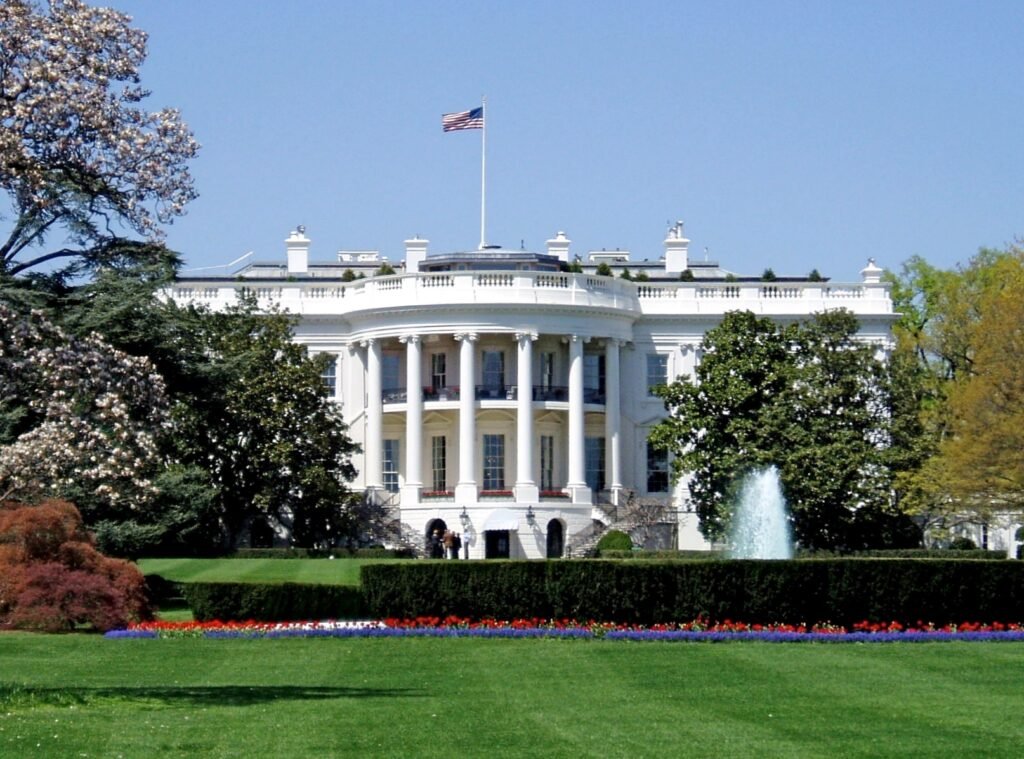
The White House is reportedly preparing tariffs on China, the European Union and 14 other economies over industrial overcapacity. US stock futures fell on Wednesday as tariff worries added to the equity sell-off.
Update, November 25: the US Trade Representative has since published the proposal. This article describes reports from before the announcement.
According to two people familiar with the plan, the timing could still change, and no formal duty levels or implementation date have been released. Neither the Office of the US Trade Representative (USTR) nor the White House commented.
The new tariffs on China, the EU and others trace back to Section 301 probes into excess industrial output that USTR launched on March 11, 2026, spanning 16 economies. Trade Representative Jamieson Greer stated at that time that the nation would no longer sacrifice its industrial base. In contrast to the levies rolled out in April 2025 — later invalidated by the Supreme Court in February 2026 — this round would be grounded in Section 301 powers instead of emergency statutes.
The reported design is preliminary. It would cover most goods but leave out steel, aluminum and cars. Nations with existing trade agreements, including Japan, the EU and South Korea, are expected to face rates of 15% or lower, while China is expected to face a higher rate than most. Under the proposal published later on November 25, the duties would not stack on top of the 10%-12.5% tariffs tied to forced labor concerns imposed on about 60 partners in July, which are being challenged at the Court of International Trade.
On November 24 the S&P 500 fell 0.5% and the Nasdaq Composite 1.48%, while the Dow Jones Industrial Average gained 0.85%. Tech and AI stocks were already under pressure, so the split says little about tariffs. On Wednesday S&P 500 futures were down 1.5% and Nasdaq futures 2.4% ahead of the US open, investingLive reported, as renewed tariff worries came alongside a resumed equity sell-off. After the April 2025 tariffs were announced, the S&P 500 dropped 10.5% in two sessions.
The plan follows a sweeping Republican loss in the midterms and a sit-down between President Trump and Chinese President Xi Jinping in Shenzhen, and precedes the G20 gathering Trump plans to host in Doral, Florida, this December.
Why it matters for markets: Should USTR confirm a rate exceeding 15% for Japan, the EU or South Korea, or unveil a notably high China-specific tariff, volatility could rise in the S&P 500, Nasdaq 100 and Chinese equities, with ripple effects likely for the dollar and currencies linked to global trade.
Sources: Yahoo Finance; investingLive