Yield curve steepens to 34 basis points as Fed holds rates steady
The Federal Reserve kept its benchmark rate unchanged and called growth "strong," yet longer-term Treasury yields climbed as investors focused on inflation and deficit risks.
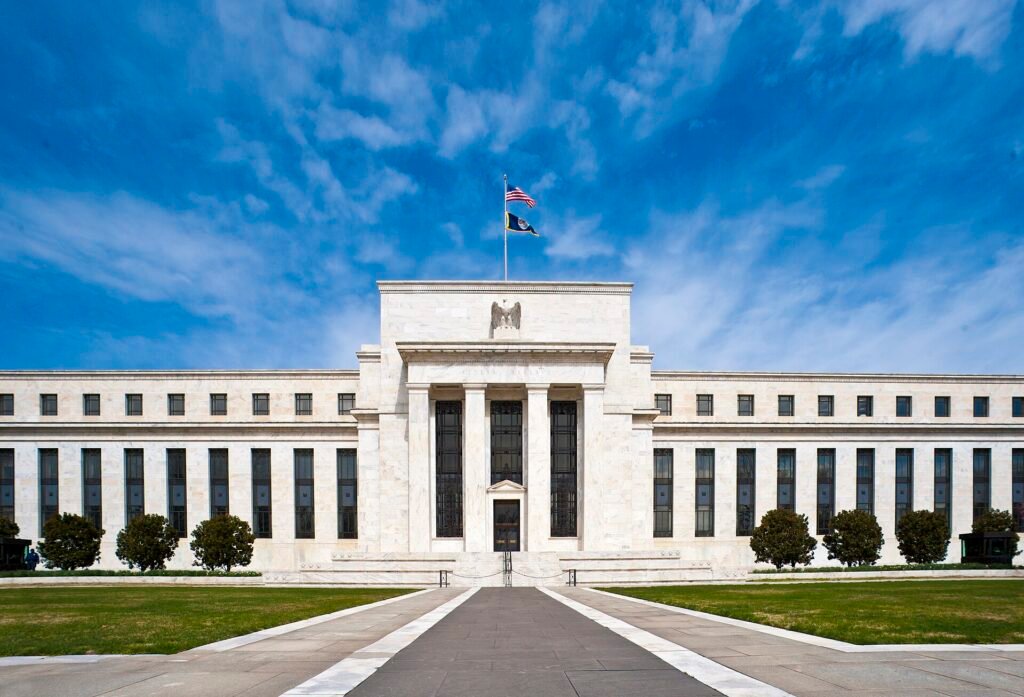
Fed Chair Kevin Warsh characterized the economy as having sturdy investment activity and hiring that was matching labor-force growth, a more upbeat description than the “solid” wording used at the September gathering. Yet even with this brighter language, policymakers left borrowing costs unchanged, leaving markets guessing whether additional tightening lies ahead and whether price growth will eventually ease back to the Fed’s 2% goal.
Following Warsh’s press briefing, the yield gap between two-year and 10-year government notes expanded to as much as 34.1 basis points, breaking from a flattening pattern seen in prior sessions. The biggest jumps came in notes maturing in five to seven years and beyond, even though Warsh stopped short of signaling a clear future rate trajectory — a stance some investors took as lowering the chance of an imminent hike.
Byron Anderson, from Laffer Tengler Investments, said the bond-market pullback stemmed from fears that the Fed might not be able to lift rates much further without creating strain elsewhere in the economy.
Part of the rise in longer-maturity yields reflects a growing term premium — the extra return investors require to hold longer-dated debt given uncertainty around federal borrowing needs. Anders Persson of Nuveen noted that firmer growth could feed inflation and intensify worries over how sustainable the fiscal deficit really is.
Markets are currently anticipating one more rate hike in December, with additional increases possible in the following year. Several analysts — among them Brian Jacobsen of Annex Wealth Management and Andrew Hollenhorst of Citigroup — questioned whether the latest data actually back the Fed’s more positive growth read, citing a cooling in weekly payroll figures and a pullback in the Atlanta Fed’s GDPNow tracker.
The development carries weight for Treasuries, equities and the dollar: a steeper curve paired with rising long-term yields pushes up economy-wide borrowing costs, can weigh on stock valuations, and typically bolsters the dollar whenever rate-hike expectations remain in place.
Source: Economic Times Markets