Japan draws $7 billion from reserves to extend fuel subsidies
Japan's government will tap about $7 billion (1.1 trillion yen) from contingency reserves to keep capping gasoline and fuel prices, even as it prepares to unwind the support starting in December.
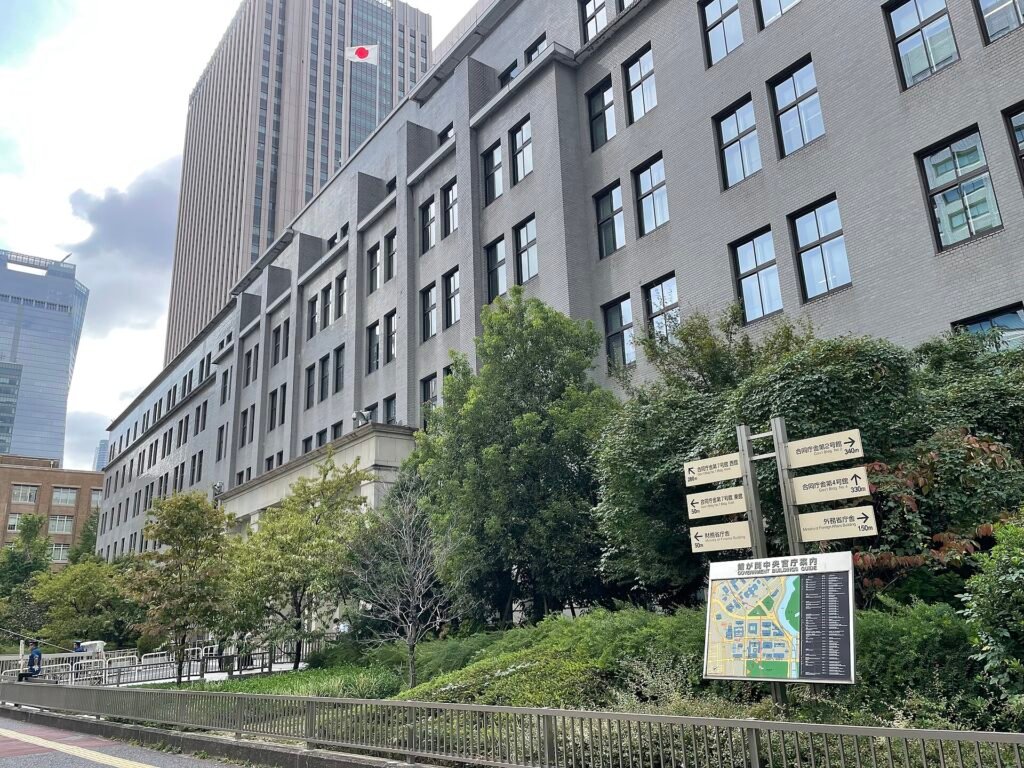
The decision, confirmed on Friday, extends a program launched in March that has held the average retail gasoline price at 170 yen per liter, or roughly $4.10 a gallon. Officials said the subsidies covering gasoline, diesel and jet fuel are now costing several billion dollars a month, putting growing strain on public finances.
Prime Minister Sanae Takaichi said a day earlier that Tokyo would start phasing out the support by lifting the retail price cap by 5 yen (about $0.032) per liter each month. She did not specify when the subsidy scheme would end entirely.
Japan’s heavy reliance on Middle Eastern crude has left it especially exposed to the regional conflict’s effects on energy markets. Before the war, more than 90% of Japan’s crude imports came from the Middle East, with about 70% of those shipments passing through the Strait of Hormuz.
The closure of the strait, combined with higher crude prices and sharply increased shipping and insurance costs, has pushed Japan’s oil import bill to record levels. As part of the response, Japan has joined other G7 members in releasing crude from strategic reserves, contributing to an International Energy Agency (IEA)-coordinated release of 400 million barrels of crude and oil products.
Why it matters for markets: A gradual end to Japan’s gasoline subsidy could raise domestic fuel costs and squeeze household spending, while its reliance on Middle Eastern crude and the Strait of Hormuz keeps Japan sensitive to further disruptions in global oil supply, with knock-on effects for Brent crude and WTI crude prices.
Source: OilPrice.com