US durable goods orders jump 1.8% in September, beating forecasts

New orders for US-manufactured durable goods rose 1.8% in September, far above the 0.6% increase expected, the US Census Bureau reported.
New orders for US-manufactured durable goods rose 1.8% in September, far above the 0.6% increase expected, the US Census Bureau reported.

The ECB's October bank lending survey shows corporate credit standards tightened by a net 9% in the third quarter, above the 5% banks had expected, while housing loan demand slumped by a net 27%. The data complicate the central bank's rate path heading into December.

The Ifo Institute's Business Climate Index for Germany rose to 90.2 in October from 89.9 in September, beating expectations for a slight dip. The euro firmed modestly against the US dollar on the release.

Policymakers are expected to leave the deposit rate at 2.50% on Thursday, with Morgan Stanley pointing to December as the more likely point for a further move. The decision matters for EUR/USD, eurozone bonds and the euro's path into year-end.

French 10-year government bond yields broke above 5% on Thursday, their highest in 24 years, with the gap over German Bunds widening to nearly 180 basis points as fiscal strain and political deadlock rattled investors.
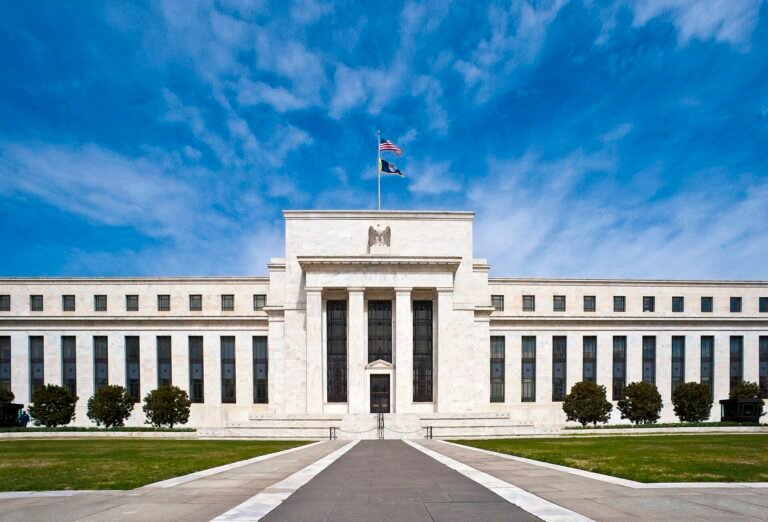
S&P Global's preliminary US October Manufacturing, Services and Composite PMIs are due Friday at 13:45 GMT, with forecasts pointing to a mild slowdown from September's strong readings. The data land days ahead of the Fed's October 28 meeting and could move EUR/USD and the US Dollar.

Eurozone business activity expanded at its slowest pace in four months in October, with the flash composite PMI falling to 51.9 from 53.1, missing expectations and complicating the ECB's rate path.
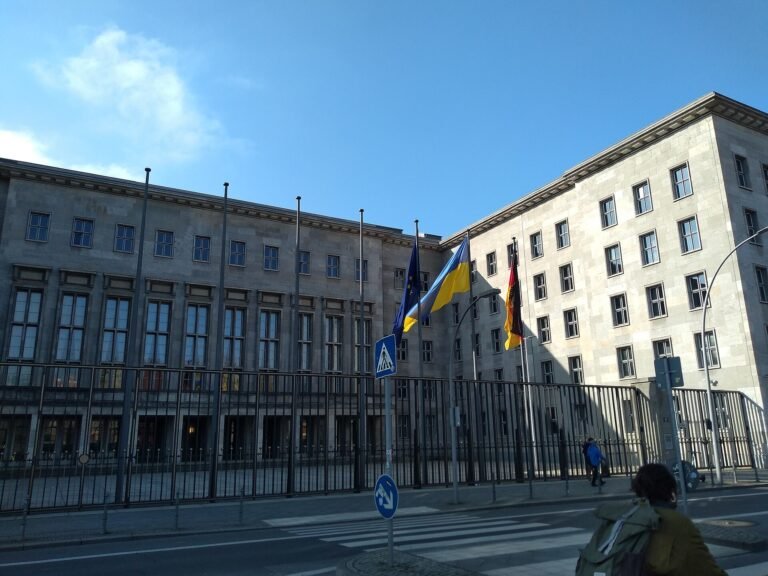
The gap between French and German 10-year borrowing costs has widened to 175 basis points, nearing the roughly 190-bp peak reached during the 2011 crisis, and Brown Brothers Harriman cautions EUR/USD could drop toward 1.1000 should it keep growing.

ING's Carsten Brzeski thinks the European Central Bank will keep borrowing costs unchanged at next week's meeting, since climbing bond yields linked to France's budget turmoil are already delivering the equivalent of a rate increase.

France's 10-year borrowing cost rose above 5% for a second straight session in Paris trading, a level last seen in 2002, as riots and budget uncertainty weigh on bonds.