German inflation slows to 2.8% in October, below forecasts

Germany's annual consumer price inflation eased to 2.8% in October from 3.3% in September, missing market expectations and weighing slightly on the euro.
Germany's annual consumer price inflation eased to 2.8% in October from 3.3% in September, missing market expectations and weighing slightly on the euro.

The Bank of Japan kept its policy rate at 1.25% and said for the first time that its 2% inflation goal had been reached, ING says, while USD/JPY is expected to stay in a 155-160 range before easing in the second quarter of next year.

The euro area expanded 0.4% in the third quarter, down from 0.6% in Q2 but above the 0.2% economists had expected, Eurostat reported, while France's economy unexpectedly contracted 0.1%.

Gold dropped about 1% to the $4,020–$4,030 range on October 29, 2026, after US third-quarter GDP growth of 3.4% annualized beat expectations, reducing pressure on the Fed to cut rates soon.

Germany's GfK consumer climate index came in at -30.8 for November, slightly better than the -30.9 expected but below October's -30.6, pointing to continued weak household confidence.

The ECB's October bank lending survey shows corporate credit standards tightened by a net 9% in the third quarter, above the 5% banks had expected, while housing loan demand slumped by a net 27%. The data complicate the central bank's rate path heading into December.
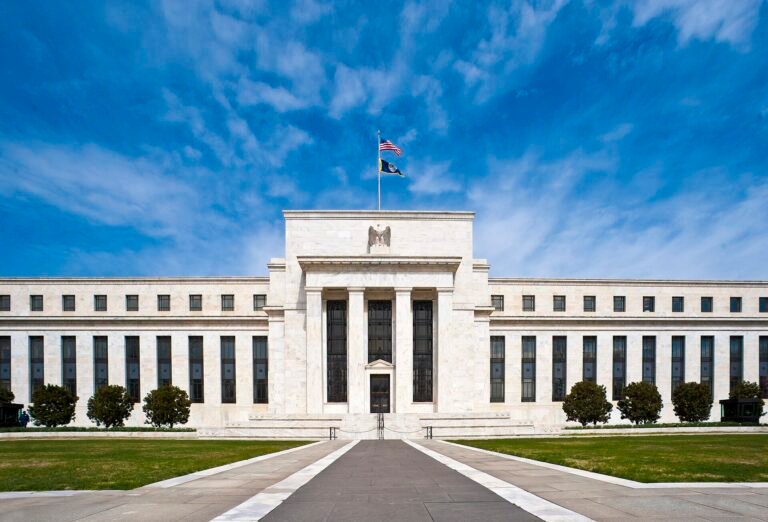
The US Dollar Index rose 0.24% to around 101.98 on Monday as investors positioned for rate decisions from five G10 central banks, including a Fed meeting on Wednesday widely expected to hold rates.

The Ifo Institute's Business Climate Index for Germany rose to 90.2 in October from 89.9 in September, beating expectations for a slight dip. The euro firmed modestly against the US dollar on the release.

WTI crude oil has pulled back from a five-month high of $103.28 to near $100 a barrel as traders turn cautious ahead of a week of central bank meetings.

France's 10-year OAT yield dropped 4.5 basis points to 4.976% after Moody's kept its sovereign rating at Aa3, easing a selloff that had pushed yields to their highest since June 2002.