Euro zone GDP growth cools to 0.4% in Q3 as France shrinks
The euro area expanded 0.4% in the third quarter, down from 0.6% in Q2 but above the 0.2% economists had expected, Eurostat reported, while France's economy unexpectedly contracted 0.1%.
The reading follows stagnation in the first quarter and a pickup to 0.6% in the second, suggesting momentum across the 21-nation bloc eased in the summer even as it beat forecasts.
Among the largest members, Germany posted 0.2% growth and Italy was flat. France, the bloc’s second-largest economy, slipped 0.1%, hurt by rising borrowing costs tied to investor concern over the government’s struggle to cut its budget deficit and debt load, alongside cost-of-living unrest that has turned violent in parts of the country.
Spain outperformed with 0.6% growth, helped by strong tourism, domestic demand and a relatively solid fiscal position, even as it faces its own protests over housing and living costs and a snap election next month. Ireland recorded 5.5% growth, though its GDP figures are known for large swings driven by multinational companies based there.
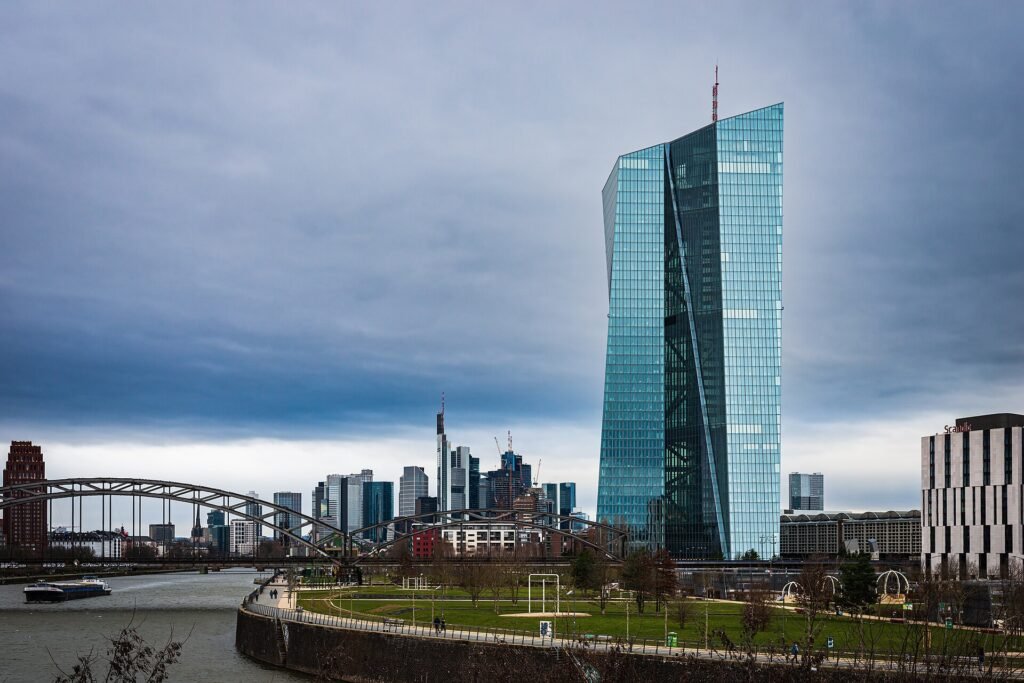
The European Central Bank (ECB) left interest rates unchanged on Thursday, judging that higher energy prices had not yet triggered broader inflation effects, while flagging that risks to growth had increased. Joe Nellis, head of economic research at accountancy MHA, said the euro area was showing “unexpected resilience” but warned this could be masking weak productivity, falling industrial competitiveness and demographic headwinds. He added that further energy-driven inflation pressure could weigh on household finances if the Middle East crisis persists.
Why it matters: Growth coming in above forecast but decelerating, alongside a contraction in France, feeds into ECB rate expectations and could influence EUR/USD and euro area government bond yields, including French OATs and German Bunds, as markets weigh the bloc’s resilience against structural and fiscal risks.
Source: CNBC (economy)