Saudi Arabia’s oil production falls to all-time low as shipments rebound
Saudi Arabia's crude exports rose 7.9% in August to 4.451 million barrels per day, a five-month high, even as the kingdom's oil production dropped to an unprecedented 6.24 million bpd, JODI data show.
The Joint Organizations Data Initiative reported that shipments increased from a July level of 4.125 million bpd, though they still fell short of the 4.974 million bpd exported back in March. Output followed a different trajectory, falling to its weakest point on record at 6.24 million bpd after having stood at 8.135 million bpd in July and 6.560 million bpd in May.
Domestic refinery processing dropped by 181,000 bpd to settle at 2.297 million bpd, while crude burned directly for uses such as electricity generation rose by 43,000 bpd to 604,097 bpd over the same stretch.
UBS analyst Giovanni Staunovo said the kingdom had managed to lift its export volumes again by making use of loading terminals on both its Red Sea and Gulf coasts, even with regional tensions still simmering. He expects that recovery to continue through September and October.
Later figures appeared to back up that forecast. Kpler data showed Gulf exporters surpassing pre-conflict shipping levels on 14 days in September, a surge it linked mainly to Saudi Arabia loading cargoes from both coastlines at once. In the week starting September 21, average Saudi crude and condensate loadings hit 9.1 million bpd, the highest reading since the pandemic began.
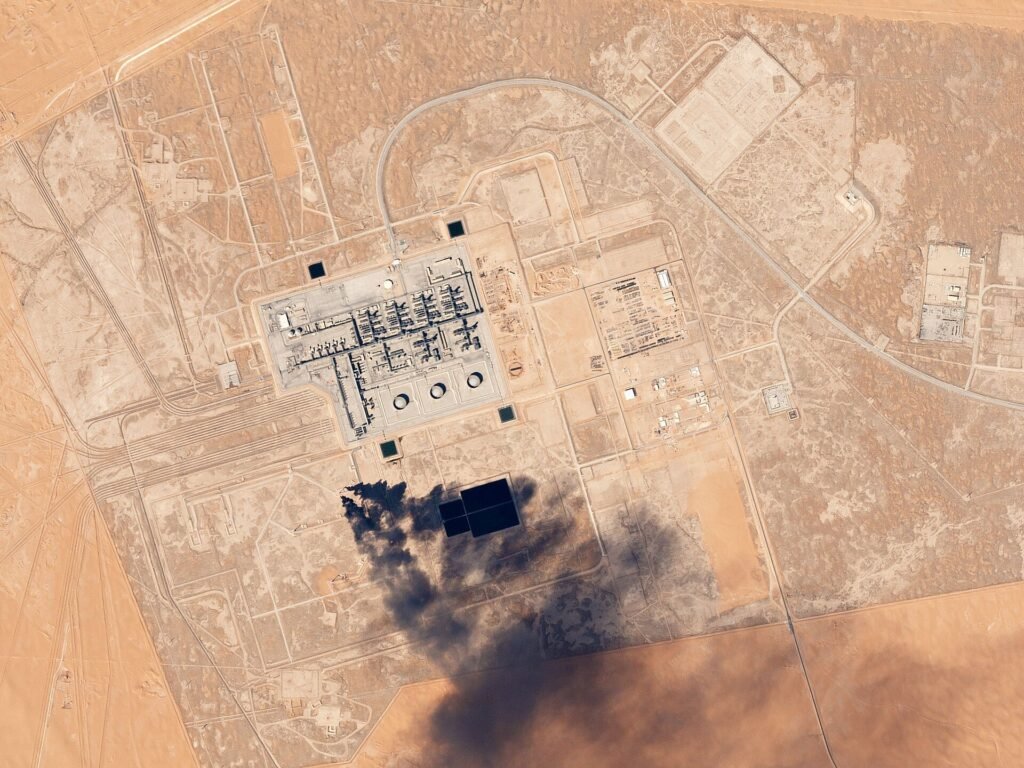
The export recovery came despite continuing security concerns in the region. A Saudi-led military coalition said it had shot down four drones aimed at the Medina and Eastern provinces, an incident the Houthi movement denied, saying it had launched no drones or carried out any military action against the kingdom. Riyadh had earlier told government workers to stay home after attacks hit the country’s main international airport and Saudi Aramco facilities, leading organizers to delay the Future Investment Initiative conference until 2027.
Why it matters: The pairing of rising Saudi crude exports with falling production points to Riyadh drawing down reserves to satisfy overseas buyers, a dynamic that could influence pricing in both Brent and WTI markets as traders weigh supply dependability against regional risk.
Source: OilPrice.com