Arctic shipping lane carries nearly 50% more Russian oil this season
Russia has rerouted growing volumes of crude and LNG toward Asia via the Northern Sea Route as conflict-driven disruptions squeeze traditional Gulf shipping lanes. Arctic cargo bound for Asia this season already runs almost 50% above last year's level.
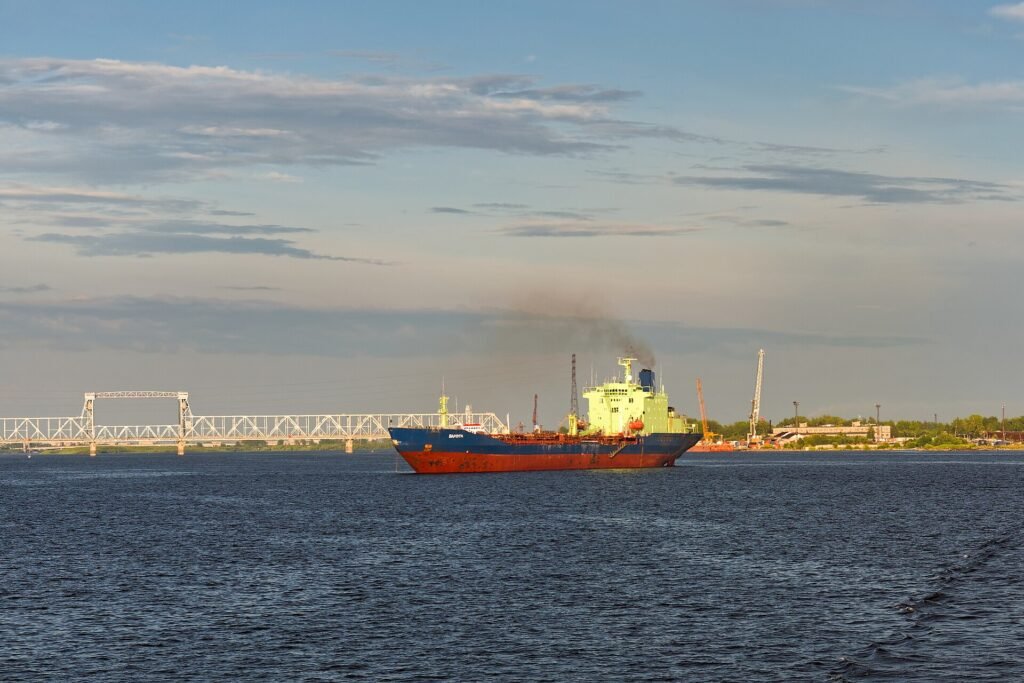
Roughly 20 million barrels reached Asian buyers through the Arctic corridor between July and mid-October, the window when polar ice cover is thinnest, versus 13 million barrels moved across the whole of the prior season. Traders anticipate a further 5 to 10 million barrels will be delivered before this year’s window shuts.
Spanning about 13,947 kilometers, the Northern Sea Route is considerably shorter than the 20,921-kilometer journey through Suez, trimming transit times toward key Asian destinations by as much as two weeks. Sailing it costs more and carries greater risk, yet turbulence this year across major maritime corridors linking Europe, the Gulf and the Red Sea has made the polar path more attractive — not least because it sidesteps the inspection and seizure risks that Russia’s older “shadow fleet” tankers face from Western authorities.
Fresh Russian Arctic energy ventures, among them Rosneft’s Vostok Oil project and growing Arctic LNG production, are pouring extra supply into this route. Gazprom Neft intends to boost its own shipments along the passage by 35% compared with 2025. Russian President Vladimir Putin has indicated Moscow wants to nearly double overall cargo volumes moving through the route, targeting 70 million tons annually by 2030.
Shipping costs for oil tankers have reached all-time highs amid congestion near a critical Gulf strait, prompting some buyers in Asia to turn to smaller vessels, longer-term charter agreements, or supply sourced instead from suppliers located elsewhere in the world. China continues to pull in just under 1 million barrels daily of Russian crude through the ESPO pipeline, while most of its seaborne purchases arrive via Pacific-coast terminals such as Kozmino. India, now sourcing more crude from Russia than from any other single supplier, depends largely on tanker deliveries — shadow-fleet vessels included — into coastal processing centers.
Why it matters for markets: Changes in how Russian crude reaches buyers influence global routing patterns and freight expenses, both of which feed through to Brent and WTI pricing as well as to energy flows supporting Asia’s biggest economies.
Source: OilPrice.com