PBoC switches policy-rate anchor to overnight repo, yuan view unchanged
China's central bank will base its monetary policy on the overnight reverse repo rate instead of the 7-day tenor, a mostly technical adjustment Commerzbank says was already reflected in markets. The bank maintains its call for steady yuan strength.
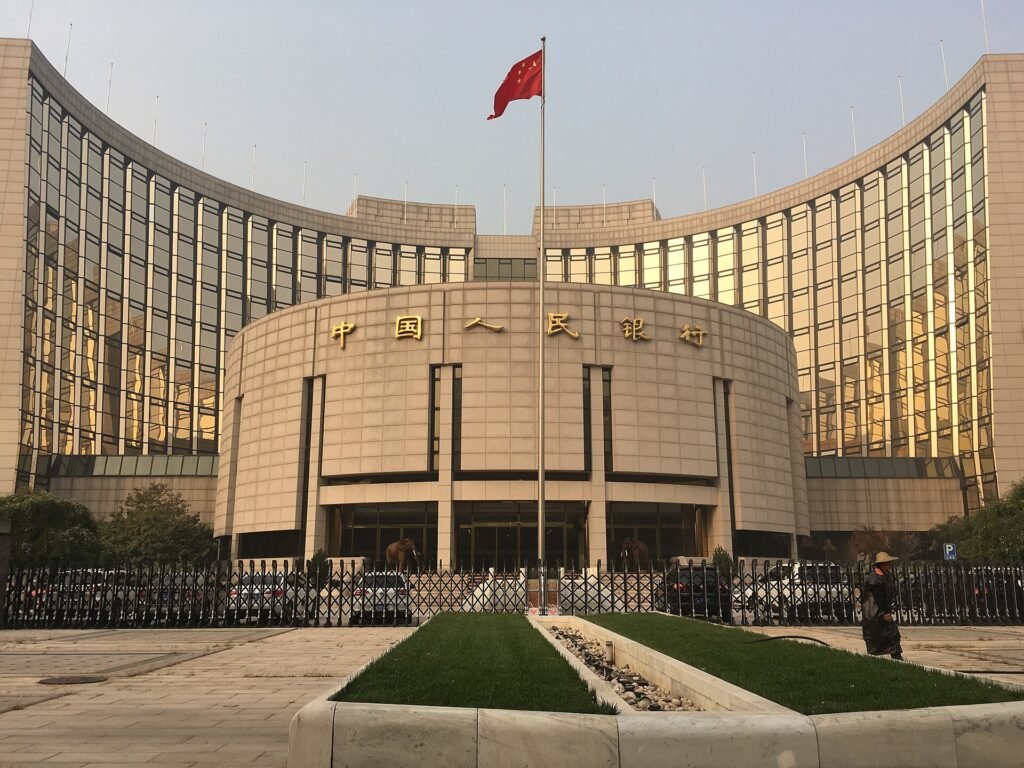
Under the revised setup, the People’s Bank of China (PBoC) will use the overnight reverse repo rate as its primary policy tool, with the overnight interbank repo rate taking over from the 7-day rate as the money-market benchmark it targets. Currently the 7-day reverse repo rate stands at 1.4%, while the overnight rate is expected to be set near 1.25% — a difference that superficially looks like an easing move.
Commerzbank strategist Volkmar Baur argued the move largely codifies how markets already function rather than pointing to fresh stimulus. According to Baur, banks and other deposit-taking institutions have long leaned far more on overnight funding than on the week-long repo facility, with average trading volumes roughly thirty times greater on a daily basis over the last five years.
Fixed-income markets appear to have anticipated the shift as well. Two-year Chinese sovereign bond yields have held close to 1.25% since late April, and three-year yields have stayed only a touch above that level since June — evidence, Baur said, that investors had already priced in the lower policy benchmark.
Baur further noted that the yuan’s movements are typically driven more by signals from the PBoC than by gaps between interest rates, meaning this operational recalibration should have little bearing on Commerzbank’s forecast for the currency to keep strengthening gradually.
Why it matters for markets: Adjustments to how the PBoC sets its policy rate can reshape expectations for Chinese short-term rates and bond yields, which feed through to USD/CNY positioning and broader sentiment across Asian currencies linked to China’s growth trajectory.
Source: FXStreet