European gas prices hit highest level since December 2022 on Qatar LNG fears
Dutch TTF front-month gas jumped 3% to about 92 euros per MWh ($103.40, over $30/MMBtu) on Friday, the highest since December 2022, as Middle East tensions threaten Qatari LNG supply and EU storage levels fall below seasonal norms.
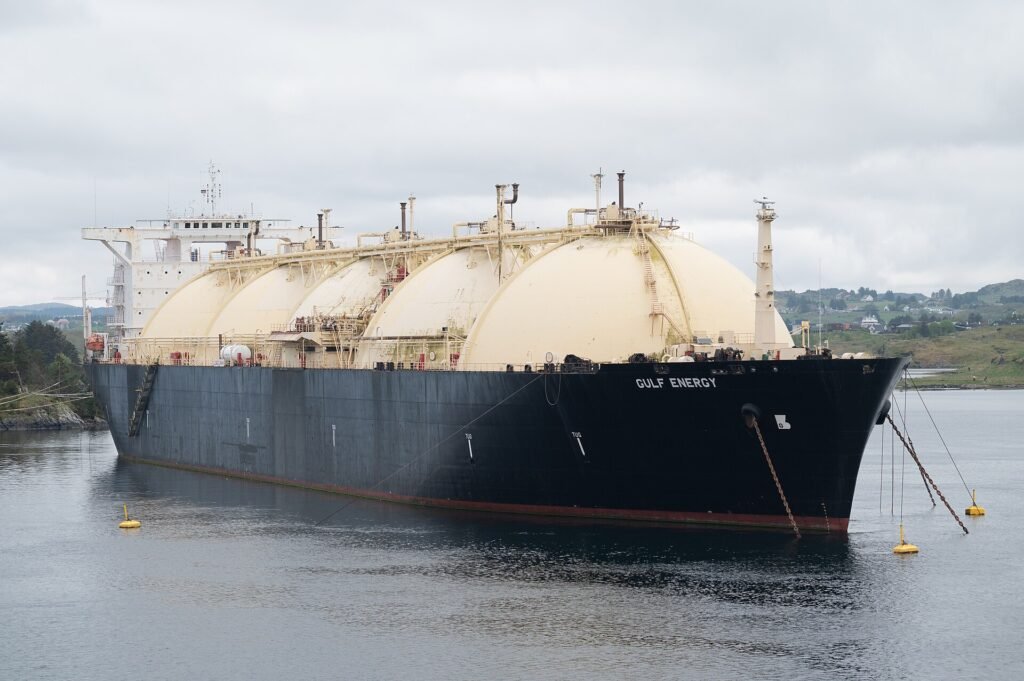
The rally extended a 3% gain from Thursday’s session, when the benchmark had already closed above 90 euros per MWh for the first time since late 2022. Oil markets moved in tandem, with Brent crude touching a five-month high near $114 a barrel amid worries that Houthi attacks could reach Saudi energy infrastructure.
The Persian Gulf has become a key pressure point for European gas. Traders are increasingly pricing in the possibility that Qatari LNG cargoes stay largely off the market for much of the Northern Hemisphere winter, according to ING commodities strategists Warren Patterson and Ewa Manthey.
Supply concerns are compounding a seasonal storage shortfall. EU gas inventories stood at 74.62% full as of October 22, according to Gas Infrastructure Europe, more than 10 percentage points below the roughly 86% five-year average for this point in the calendar. ING strategists noted that storage levels “appear to have peaked at just under 75% full,” meaning withdrawals are now likely to accelerate as colder weather sets in and some EU countries begin drawing on reserves.
The combination of tight storage, falling temperatures and disrupted Qatari flows has pushed European gas to levels last seen during the first winter after Russian pipeline supplies were largely cut off.
Why it matters: Higher European gas prices feed directly into Brent crude via energy-linked trading and raise costs for European industry and utilities, with knock-on effects for the euro and European equity indices. Sustained LNG disruption from the Gulf and below-average storage increase the risk of further price volatility through the winter heating season.
Sources: OilPrice.com; Investing.com (commodities)