Dutch gas benchmark climbs to three-year peak as EU reserves fall behind
The Dutch TTF front-month contract gained 2.1% to reach $107.40 per megawatt-hour on Monday, its strongest level since 2022, with European stockpiles trailing their typical seasonal pace and Qatari LNG shipments still constrained.
This advance builds on a 7% jump recorded the prior week, pushing the Title Transfer Facility (TTF) marker to roughly 95.73 euros per megawatt-hour. Converted to dollar terms, that works out to a figure topping $30 per million British thermal units.
A number of European nations have started pulling gas out of storage as colder weather sets in, which market participants view as confirmation that the withdrawal period has begun. According to figures from Gas Infrastructure Europe, stockpiles across the bloc stood at 74.62% capacity on October 25 — notably short of the roughly 86% average typically seen at this stage over the past five years.
Supply constraints have intensified as Qatari LNG shipments through the Strait of Hormuz have nearly stopped over the past seven months amid the broader Middle East tensions tied to Iran. Qatar had ranked as the planet’s second-biggest LNG supplier prior to this slowdown, and its reduced output has sharpened the rivalry between European and Asian buyers chasing the same spot cargoes.
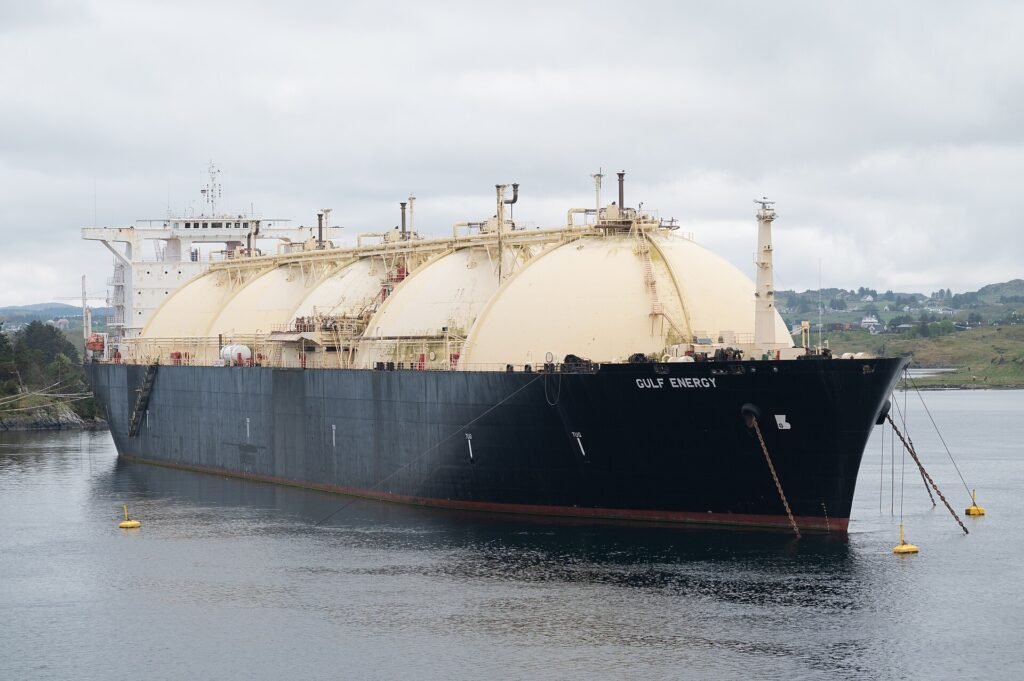
Ole Hansen, who heads commodity strategy at Saxo Bank, pointed out that European gas reserves currently sit near 845 terawatt-hours — about 100 TWh short of where they stood a year earlier. He likened that shortfall to the cargo capacity of over 80 large LNG tankers.
Separately, analysis from Rystad Energy showed European LNG costs have surged close to 47% so far this year, outpacing the roughly 28% increase seen in East Asia’s oil-indexed long-term agreements. The firm attributed this gap to Europe sourcing around 65% of its LNG needs from spot markets, whereas Asian buyers depend more heavily on fixed long-term deals.
Why it matters for markets: The European gas price rally feeds directly into regional energy costs and inflation expectations, which can weigh on the euro and European equity indices while supporting energy-sector stocks; tighter storage ahead of winter also raises the risk of further price volatility tied to LNG supply routes through the Strait of Hormuz.
Sources: Investing.com (commodities); OilPrice.com; Trend (business)