IEA sees gas market strain persisting into 2027 after Hormuz disruption
The International Energy Agency says tight global gas and LNG markets could last well into next year, as low European storage levels collide with a sharp drop in Gulf LNG shipments.
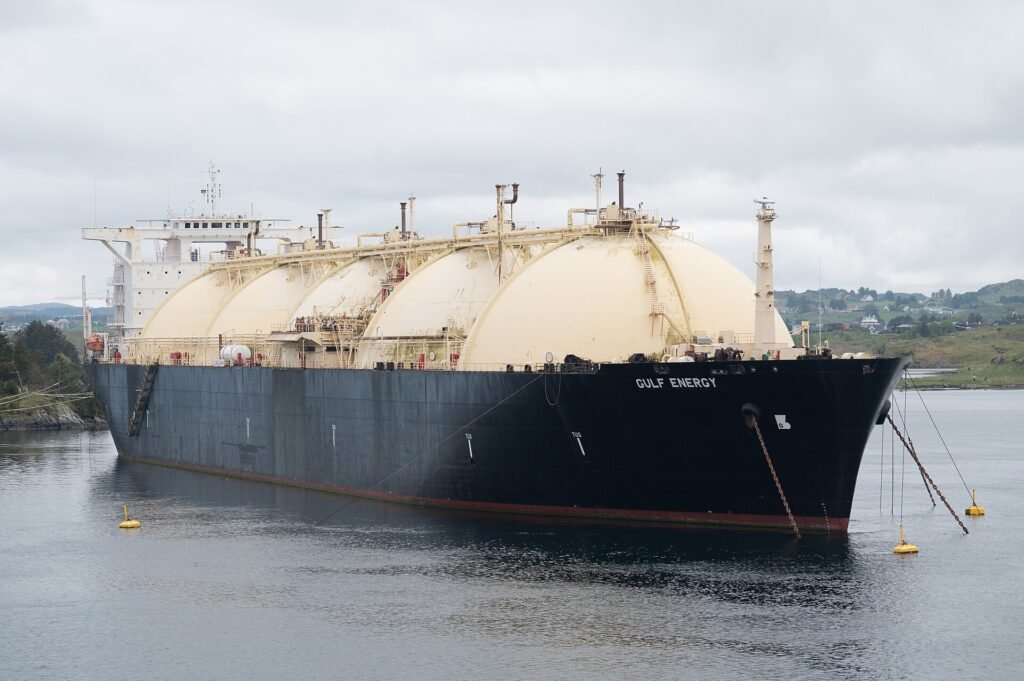
In its Global Gas Security Review 2026, published on Tuesday, the IEA said Europe is heading into the winter heating season with the lowest gas inventories in more than ten years. That leaves the region more exposed just as a crisis in the Strait of Hormuz keeps disrupting supply.
LNG loadings from Qatar and the United Arab Emirates dropped by more than 60 billion cubic meters between March and October. Higher output from newer LNG projects in North America and Africa, along with extra feedgas from existing producers, made up only part of the shortfall. Non-Gulf LNG production rose 14%, or over 40 bcm year-on-year, in that window, covering roughly two-thirds of the Gulf decline. Even so, total global LNG supply fell 6%, or about 20 bcm, over the same period.
The IEA now expects global LNG supply to shrink 3% across 2026, which it called the sharpest annual drop on record, based on the assumption that Hormuz flows stay largely restricted through year-end. Qatar signalled last week that disruptions could continue that long, with state producer QatarEnergy extending force majeure on LNG deliveries to most customers until the end of December 2026.
The agency said the resulting competition for spot cargoes between Europe and Asia has pushed regional LNG and gas benchmarks to their highest levels since the 2022-2023 energy crisis. It added that Europe’s depleted storage could force heavier injections through summer 2027 to rebuild stocks, stretching market tightness further into next year.
The IEA described the Hormuz disruption as a major shock to global gas and LNG markets.
Why it matters for markets: Tighter global gas and LNG supply tends to keep European and Asian gas benchmarks elevated, which can feed into broader energy costs, inflation expectations and demand for crude oil and other substitute fuels through 2026 and 2027.
Source: OilPrice.com