Von der Leyen: Hormuz closure has added €127bn to EU energy bill
European Commission President Ursula von der Leyen stated on Tuesday that the closure of the Strait of Hormuz has pushed up Europe's fossil fuel import costs by €127 billion, as fears grow of renewed conflict with Iran.
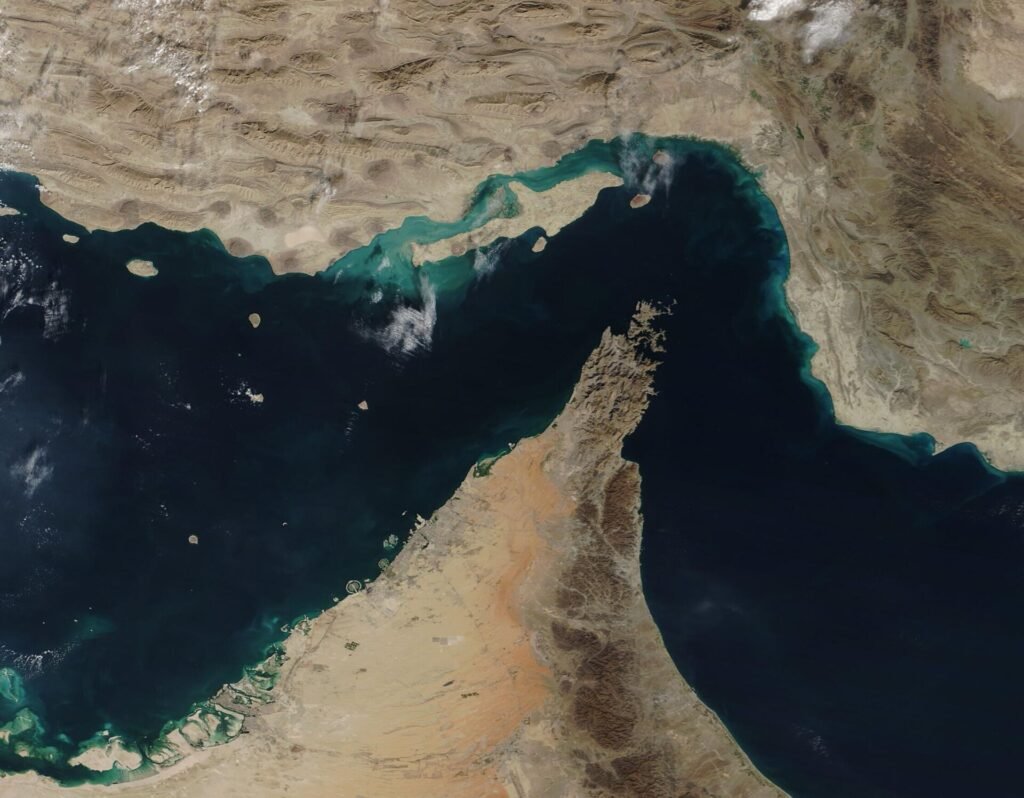
Addressing an audience in Brussels, von der Leyen argued that the spike in oil and gas prices since the strait was closed demonstrates why the bloc must reduce its dependence on fossil fuel imports. She noted that Europe had absorbed the extra €127 billion cost despite receiving no additional energy supply whatsoever, warning that buying fuel abroad also means inheriting the disruptions and crises tied to it.
Before the conflict erupted, close to one-fifth of all oil and liquefied natural gas moved by sea worldwide passed through the Strait of Hormuz. Iran effectively sealed off the waterway after US and Israeli forces struck the country in late February, and it also hit energy facilities in neighboring nations as part of its response.
Fresh tension emerged after American forces struck Qeshm Island, located within the strait, on Monday night — a move Washington described as defensive, intended to safeguard its military personnel stationed in the region. President Donald Trump and Israeli Prime Minister Benjamin Netanyahu have both hinted at a possible return to military action against Iran once Tuesday’s US midterm voting concludes, although Trump has denied any such plan is underway. US Vice President JD Vance indicated that he and Trump remain hopeful about reaching a negotiated resolution.
Germany’s Chancellor Friedrich Merz made a comparable remark last week, noting that companies and households across Europe have shouldered over €100 billion in additional costs stemming from the conflict’s effect on energy prices, and said resolving the war swiftly also serves Europe’s financial interests.
Brent crude stood near $106 per barrel around midday Tuesday in Central European Time, roughly 1% higher on the session.
Why it matters for markets: Ongoing disruption tied to the Strait of Hormuz closure keeps upward pressure on Brent crude and gas prices, a dynamic that could weigh on the euro and European stocks via higher costs and inflation, while boosting demand for gold as a haven asset.
Source: Report.az (business)