WTI crude bounces back above $83 as Hormuz risks resurface
WTI crude jumped roughly $1.50 intraday to reclaim $83.00 a barrel, clawing back part of a weekly loss exceeding 5% tied to oversupply concerns. Fresh worries over the Iran standoff and shipping incidents near the Strait of Hormuz lifted oil prices.
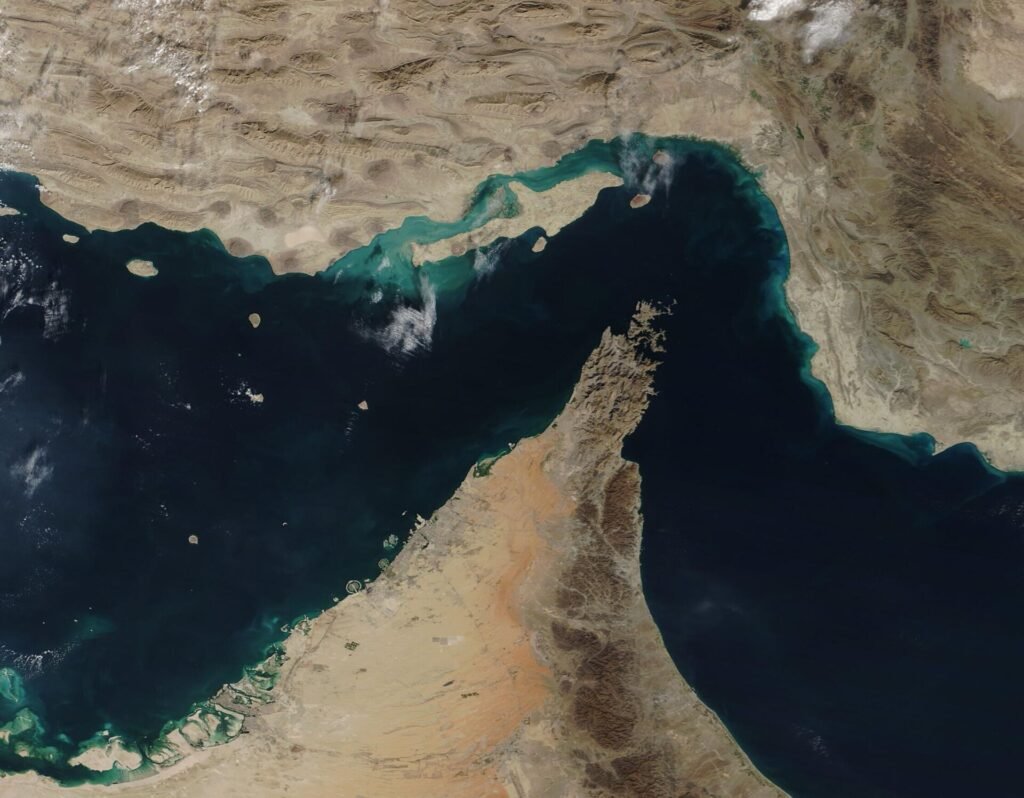
The bounce comes after a steep weekly drop fueled by forecasts of a possible oil surplus in 2027 and growing US stockpiles, both of which had eased concerns about supply interruptions. WTI had dipped to a three-month low near $81.20 before climbing back to touch session peaks just over $83.00 during early US dealing.
US President Donald Trump stated that evidence suggested Iran might be pursuing chemical or biological weapons development, a remark that opens the door to possible new military action against the country. Iran’s Islamic Revolutionary Guards Corps claimed that two tankers had struck naval mines while transiting the Strait of Hormuz, though this account remains unverified. Separately, UK Maritime Trade Operations said a vessel was struck by an unidentified projectile in the same waterway.
In its yearly World Energy Outlook, the International Energy Agency said the joint US-Israeli strike on Iran is the largest threat to energy security in history, as the conflict is about to enter its tenth month. Deutsche Bank analysts noted that crude markets had steadied overnight following reports that Trump was considering, but had not yet approved, additional strikes against Iran, adding that Brent showed little movement, edging up 0.21% to $92.14 per barrel.
Why it matters for markets: Escalating Middle East supply risks typically lift benchmarks such as WTI crude price and Brent, with ripple effects on energy-linked currencies and inflation outlooks, while signals of a 2027 glut or swelling US inventories can limit further gains.
Source: FXStreet