Woodside’s Louisiana LNG build reaches 32% with 2029 startup goal
Woodside Energy reported that construction of its Louisiana LNG terminal has reached 32% completion and remains within budget, with the facility slated to ship its first cargoes in 2029.
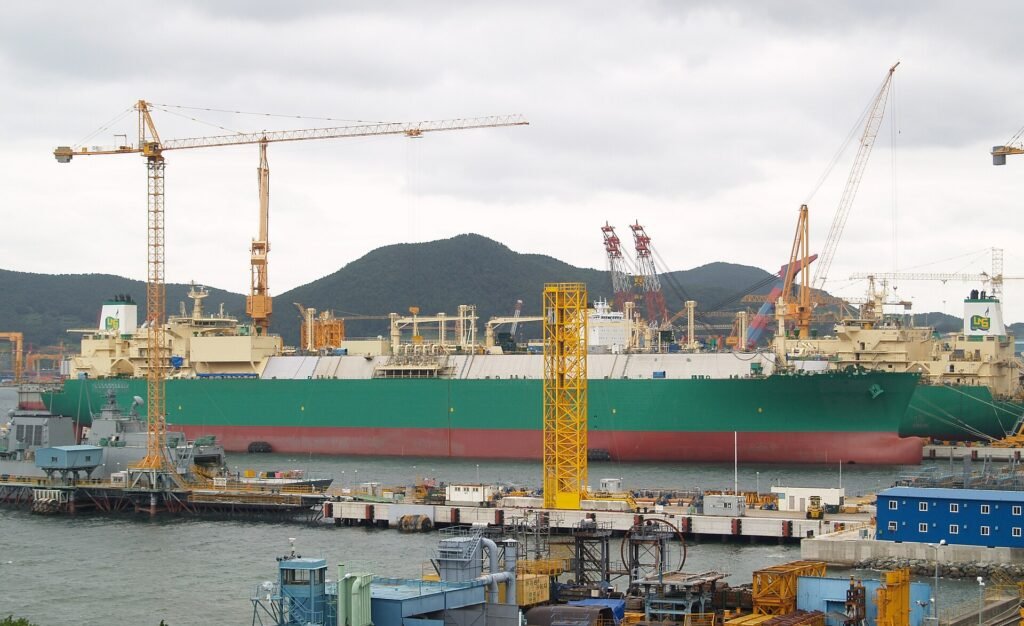
The update came as part of the company’s Capital Markets Day 2026 materials, which broke down progress by unit. By September 30, 2026, Train 1 had reached 41% completion, Train 2 was at 27%, and Train 3 stood at 22%. When fully operational, the facility’s three trains will together deliver 16.5 million tonnes per annum (Mtpa) of capacity.
The site, previously known as the Driftwood LNG scheme near Lake Charles, Louisiana, is forecast by Woodside to yield around $1.1 billion annually in adjusted operating cash flow starting in 2032, calculated against the firm’s ownership stake. Woodside’s figures assume it keeps a 70% interest in the project’s holding company after selling down a total of 30%, and it will direct close to 8 Mtpa of the plant’s output toward its own worldwide LNG supply network.
Several buyers have already committed to purchasing gas from the facility: Williams is set to receive approximately 1.5 Mtpa, Uniper has secured 1 Mtpa, and QatarEnergy will take 3 Mtpa. According to Woodside, the development establishes a significant new LNG supply channel for the company while also giving it an entry point into the Atlantic basin market.
Woodside gained control of the venture via its 2024 purchase of American company Tellurian, greenlighting construction the following year. Stonepeak, an infrastructure-focused investment firm, holds a 40% interest in the project’s infrastructure arm, whereas Williams controls 80% of the linked pipeline business and an additional 10% of the holding company overseeing the project. Headquartered in Perth, Woodside ranks as Australia’s largest independent producer of oil and gas, with shares trading on both the Australian Securities Exchange and the New York Stock Exchange.
The advancement of the Louisiana LNG project signals a coming expansion in export capability along the US Gulf Coast, a development that could reshape worldwide LNG availability and pricing once output begins flowing in 2029.
Source: Trend (business)