US core inflation hits Fed hike trigger even as oil prices sink
Brent crude has dropped from over $100 to the low $90s, but US annual inflation still climbed to roughly 4% in October, reinforcing expectations that the Federal Reserve will raise rates in December.
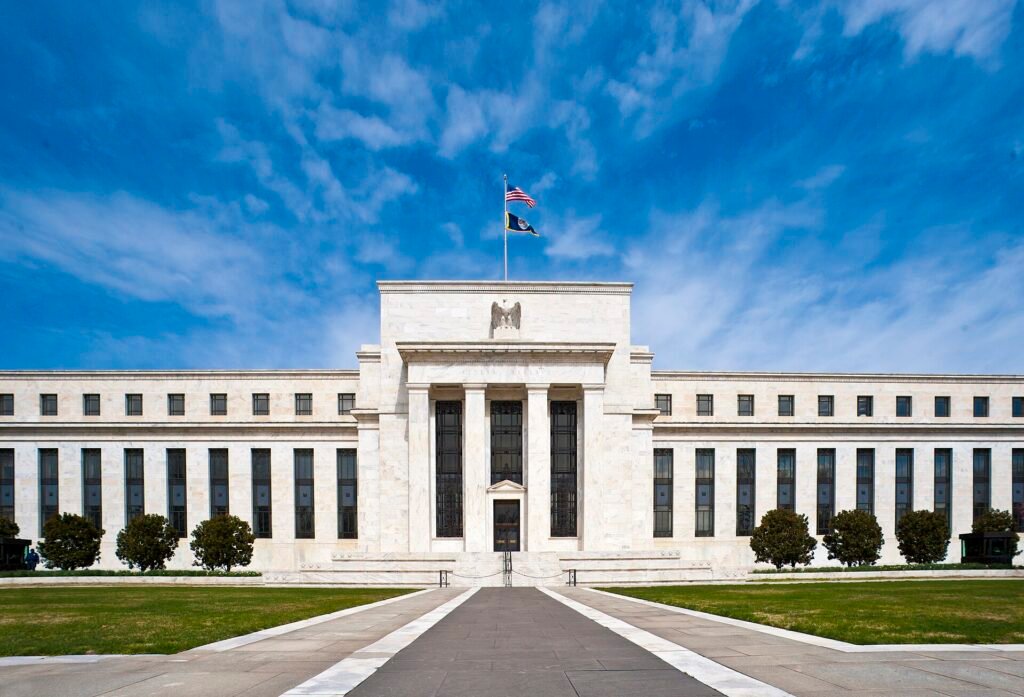
October brought a sharp pullback in oil markets: Saudi Arabia lifted its daily output to 10.56 million barrels, a level not seen since before the conflict and beyond its OPEC+ allowance, while US gasoline suffered its biggest single-day decline in nearly two decades. Yet none of that stopped headline inflation from climbing to an estimated 4% year-on-year, up from 3.7% in September, with core prices advancing 0.3% for the month. That monthly core figure lines up precisely with the threshold Federal Reserve Governor Christopher Waller had named as the trigger for a 50-basis-point increase.
Underlying price pressure is coming from services and the ongoing expansion of artificial-intelligence infrastructure, neither of which responds to cheaper fuel. Costs for medical appointments, childcare, dining out, hotel stays and vehicle insurance — the last up 0.7% in October — continued their upward march. Meanwhile, the race to build data centers has driven up prices for semiconductors, power-generation gear and copper, spilling over into consumer electronics. Smartphone prices jumped 1.4% during the month, the biggest one-month gain ever recorded, and TV prices climbed 3.3%, reversing the usual pattern of declines in that category.
Energy remains costly despite falling benchmark prices. Added expenses for insuring against conflict risk, diverting shipping routes and providing naval protection through the Strait of Hormuz are tacking on somewhere between $20 and $30 per barrel for crude coming out of the Gulf, keeping US crude roughly $30 pricier than a year earlier. Diesel supplies stay constrained as Ukrainian drone strikes continue to knock out about 30% of Russian refining capacity, and reports indicate Saudi Arabia held back a portion of its October production, stockpiling it rather than selling into the market.
A fresh inflation threat is brewing in electricity pricing following the midterm elections, which reshaped utility oversight in Texas and Georgia — notably handing Democrats a new majority on Georgia’s Public Service Commission, the body that sets Georgia Power’s rates and signs off on data center expansions.
Traders appear to have already factored in a December rate increase from the Fed, though tensions between Washington and Tehran over the Strait of Hormuz remain a wildcard that could still shift the oil-price trajectory underpinning this inflation story.
Taken together, these dynamics keep the pressure on for higher US interest rates, a dynamic that typically bolsters the dollar — while any flare-up around the Strait of Hormuz could send oil and broader energy costs climbing once more.
Source: OilPrice.com