Saudi Arabia boosts October oil output 26% to 10.563 million bpd
Saudi Arabia reported to OPEC that its crude production climbed to 10.563 million barrels per day in October, a 26% jump from September and slightly above its OPEC quota, lifting Brent crude prices.
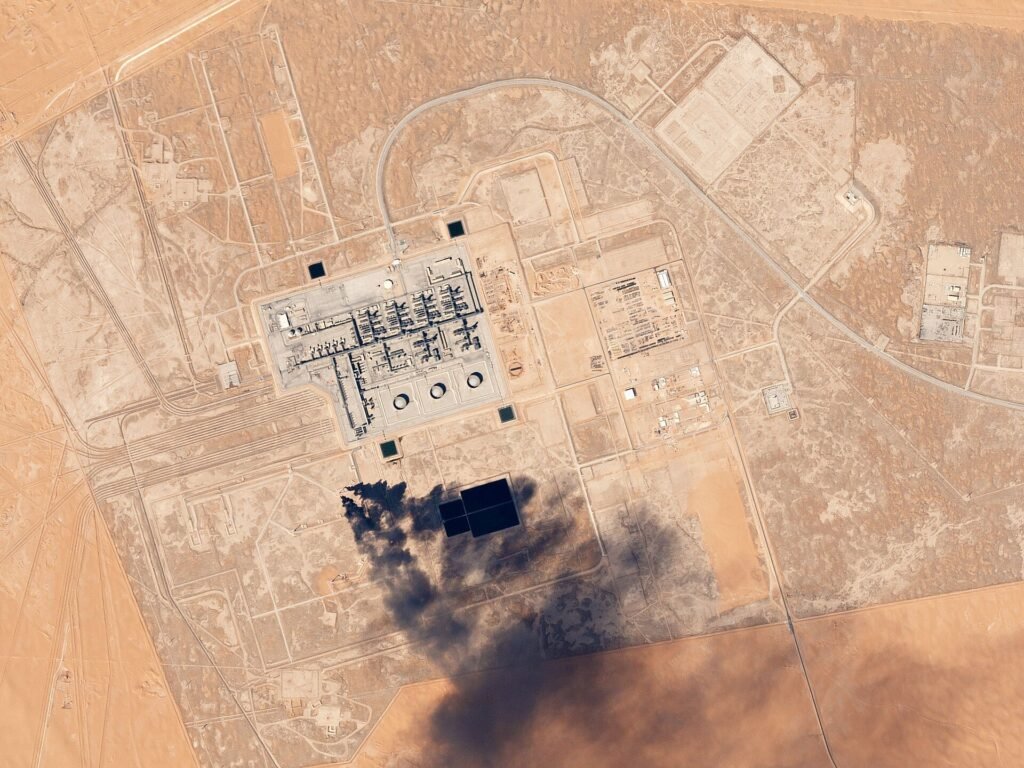
The rise brings Saudi output near the levels recorded in February, the final month before the Iran conflict interrupted supply flows across the Middle East, when the kingdom had produced 10.882 million bpd. September’s figure had been much lower, at 8.372 million bpd.
Saudi government data indicates that the volume actually delivered to markets, once storage adjustments are factored in, came to 9.203 million bpd, with the balance of October’s extraction held back in reserves. State oil company Saudi Aramco exported crude through two main channels: shipping terminals along the Persian Gulf coast and the pipeline running east to west toward the Red Sea port of Yanbu. The kingdom’s energy authorities noted that a fire broke out on that pipeline following an attack on Monday, but it was contained quickly and did not disrupt operations.
Combined production from all OPEC+ members climbed to 41.23 million bpd for October, marking a gain of 2.04 million bpd compared with the prior month, based on figures OPEC compiled from secondary data sources. Iranian output dropped to roughly 1.91 million bpd, marking its weakest showing in four decades, as a continuing US naval blockade kept the country’s exports constrained. Iraq’s energy chief, Basim Mohammed Khudair, stated recently that domestic production had climbed past 5 million bpd, far exceeding the nation’s OPEC+ ceiling of 4.431 million bpd; the oil ministry subsequently reiterated its pledge to honor that limit, while acknowledging October volumes had increased.
Member nations within OPEC+ are currently assessing their maximum production potential as they prepare for a ministerial gathering on November 29, where targets for 2027 will be finalized. Iraq is pushing for a baseline calculation built around roughly 6 million bpd of capacity. Brent crude climbed 1.4% to reach $92.73 per barrel, and WTI advanced 1.3% to $87.13, as continued strikes near the Strait of Hormuz countered optimism around a potential US-Iran ceasefire.
The combination of expanded output from Saudi Arabia and the broader OPEC+ bloc, alongside supply constraints from Iran and heightened tension near Hormuz, has a direct bearing on crude prices and may ripple into currencies tied to energy exports as well as inflation outlooks linked to fuel costs.
Sources: Investing.com (commodities); OilPrice.com