Orlen scraps 1 million ton Qatar LNG deal over force majeure
Poland's state energy group Orlen has walked away from its long-term LNG supply agreement with QatarEnergy, the first buyer to do so since the Gulf exporter declared force majeure on shipments.
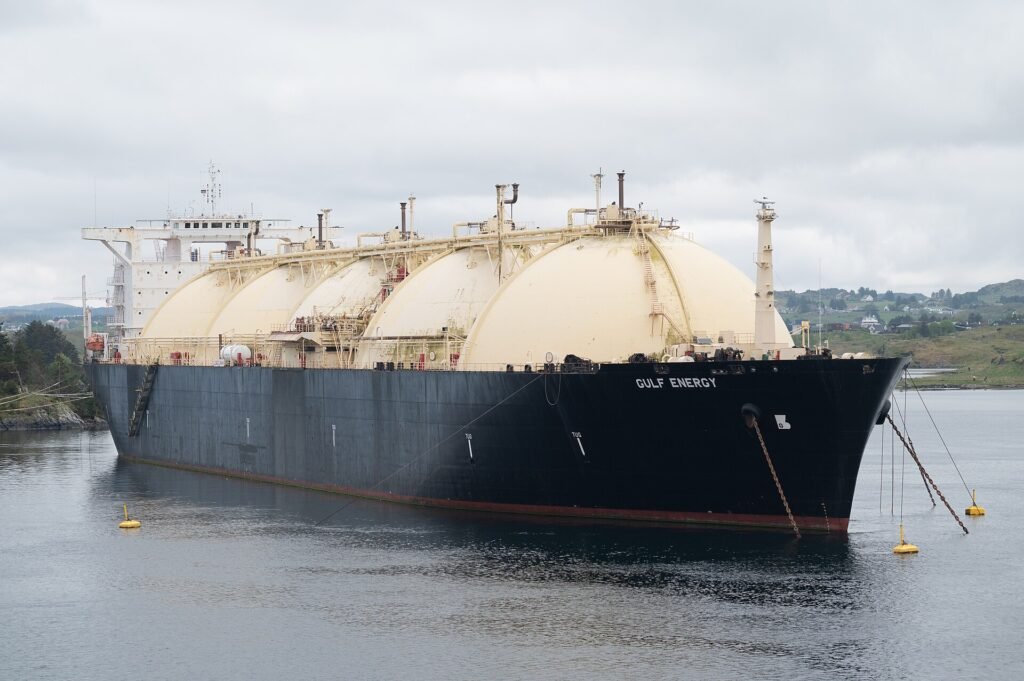
In a late Tuesday regulatory disclosure, Orlen said QatarEnergy could no longer honour its commitment to supply 1 million tons of liquefied natural gas annually. The deal was struck in 2009, with shipments beginning in 2016 and running under contract through 2034.
QatarEnergy had already extended its force majeure declaration, first imposed in spring, through year-end, pointing to ongoing danger for tanker movements through the Strait of Hormuz. Iranian forces struck tankers there 37 times in October alone, the busiest month for such incidents since March.
Even so, analytics firm Kpler found that 31 tankers carried LNG through the strait last month, the strongest showing since February and up from 23 vessels in September. The bulk of this cargo originated at Qatar’s Ras Laffan terminal despite its force majeure status, with several shipments switched onto different vessels once past the strait.
Qatar’s total LNG shipments still lag considerably behind pre-conflict volumes, reaching only 2.7 million tons last month versus roughly 6.2 million tons back in February. QatarEnergy stated in March that Iranian strikes on its Gulf neighbours had knocked out 17% of its shipping capacity, translating into an estimated $20 billion hit to yearly earnings. To cover the shortfall, the firm has leaned on alternative supply sources, notably large volumes secured from US producer Cheniere Energy.
The Orlen Qatar LNG contract termination underscores how persistent disruption along Gulf shipping lanes is forcing a rethink of global LNG supply networks. As Qatari output stays constrained and buyers chase substitute sources, the shift could ripple into European natural gas pricing and energy security debates, with Poland positioned as a major transit and consumption hub for the continent.
Source: OilPrice.com