Kazakhstan boosts repair budget 27% ahead of winter, equipment wear drops
Kazakhstan's cabinet says energy infrastructure repair spending climbed 27% on average before the 2026-2027 heating season, pushing power plant equipment wear down to 52%.
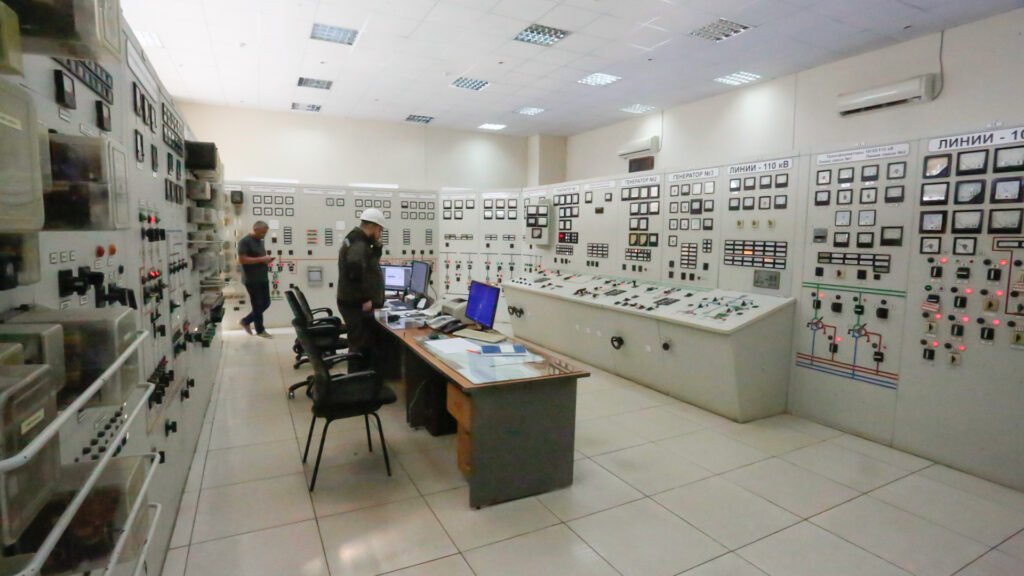
Energy Minister Yerlan Akkenzhenov outlined how ready the nation’s grid and heating networks are for the cold months ahead. He noted that technicians completed overhauls on eight power units, 49 boilers and 37 turbines across power stations, while also repairing 17,100 kilometers of power lines and 444 substations. Crews additionally restored 377 kilometers of heating pipelines.
Thanks to the larger repair budget, wear figures improved throughout the system: electrical grids now sit at 65.7% wear and heating networks at 48%, while technical breakdowns fell roughly 6% versus the prior year.
Akkenzhenov said the heating season is proceeding as normal.
Kazakhstan’s power network stretches across a vast territory with widely varying climates, channeling electricity from coal plants clustered in the north – near the Ekibastuz coal basin – toward southern cities and factories that have limited local generating capacity. The country’s Unified Power System transmits electricity through close to 28,000 kilometers of high-voltage lines and 83 substations, connecting areas where winters range from mild in the south to below -40°C in the north, where heating seasons can stretch to 222 days.
Thermal plants generate the bulk of Kazakhstan’s electricity, with hydropower, wind, solar and rooftop solar panels contributing the remainder. The sector continues to grapple with aging equipment despite the rise in repair spending.
For energy markets, the steady upgrade of Kazakhstan’s power and heating infrastructure suggests more dependable coal-fired electricity output during the harshest winter demand periods – a point of interest for regional energy security and coal consumption at major thermal facilities.
Source: Trend (business)