Gold slumps to 14-month low near $3,515 as Fed hike bets build
Gold (XAU/USD) sank to its lowest level since September 2025, touching roughly $3,515 an ounce, as a hawkish Federal Reserve tone and a stock-market sell-off left bullion on track for its worst week since March.
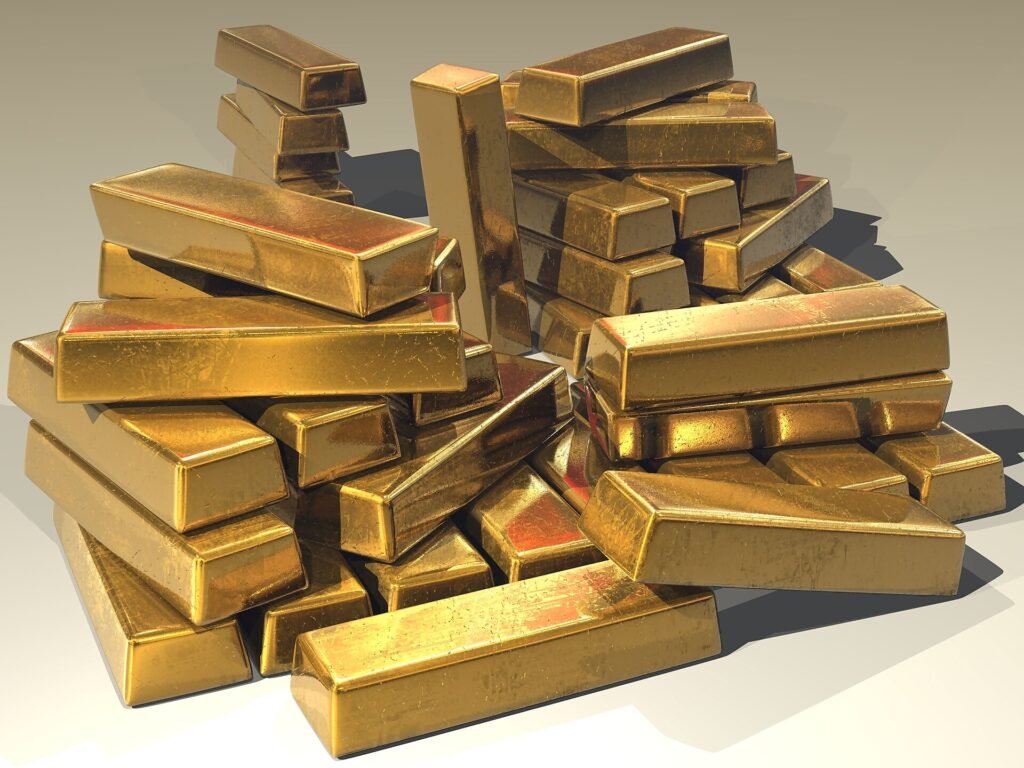
During Asian hours the metal briefly dipped to $3,514 before clawing back part of the loss to trade near $3,570, still down over 2% on the session. The drop unfolded alongside a wider equity rout: the Nasdaq Composite and Dow Jones Industrial Average each lost more than 6% on the week, and the S&P 500 fell 5.75%, as investors turned wary of stretched artificial-intelligence valuations.
Some traders appear to have offloaded gold holdings to raise cash and offset equity losses, even as that same market turmoil pushed money into government bonds.
The larger force behind the move has been changing expectations for Fed policy. The record of the Fed’s October 27-28 gathering revealed that nearly every policymaker viewed additional rate hikes as a possible option in the months ahead, despite the decision to leave rates unchanged at that meeting. Markets are now pricing in a quarter-point increase in December, with more hikes anticipated through 2027.
Philadelphia Fed President Anna Paulson argued that another rate increase would be necessary given that price pressures remain elevated, while Chicago Fed President Austan Goolsbee noted there is scant sign that inflation will drift back to the Fed’s 2% goal without further action.
Bullion is now down close to 18% for the year and has shed nearly 8% since Wednesday, following its dip under $4,000 an ounce the previous week. Investors are now awaiting the University of Michigan’s final consumer sentiment data and comments from Fed Governor Lisa Cook for additional clues on the likely rate trajectory.
Elevated US rate expectations increase the cost of holding gold, which generates no yield, and typically bolster the dollar — a dynamic also weighing on silver (XAG/USD) and broader risk appetite across equity benchmarks tied to the same Fed outlook.
Sources: Investing.com (commodities); FXStreet; Caixin Global