White House taps wartime law as US gasoline breaks $4 a gallon
President Donald Trump has triggered Section 303 of the Defense Production Act to designate domestic oil output and refining as critical to national defense, a move landing just 12 days before the US midterm vote.
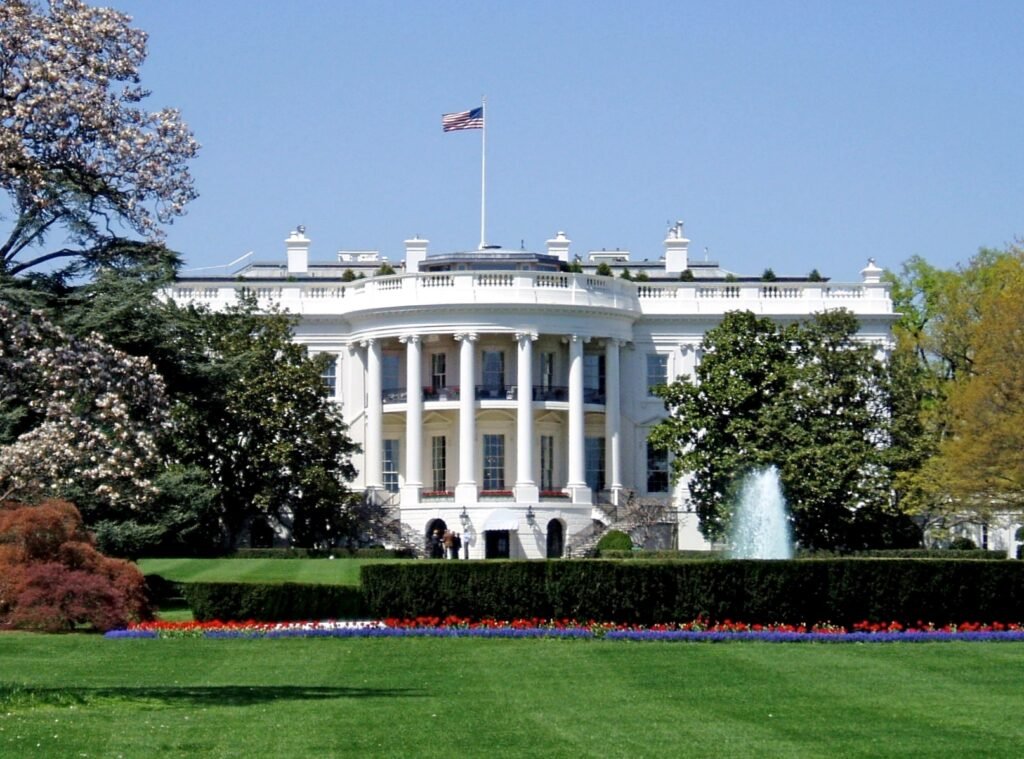
The statute lets Washington back strategically important industries through direct purchases, purchase pledges and other federal funding tools. Thursday’s directive extends an April ruling that already covered petroleum extraction, processing and distribution networks, and follows a separate initiative to expand a Delek refinery in Tyler, Texas, unveiled by Vice President JD Vance during a campaign appearance.
According to Energy Secretary Chris Wright, officials are aiming to reopen as many idle refineries as possible. Earlier reporting this month suggested Trump had also directed agency heads to explore options for easing diesel costs ahead of the November 3 vote, potentially including workarounds to state and local limits on energy output.
Behind the move lies fuel pricing that has climbed to unusual seasonal heights. When Trump returned to the presidency pledging cheaper living costs, pump prices sat near $3 a gallon; they have now climbed past $4 a gallon this month for the first time ever recorded, while diesel has cleared $6. Government data from the Energy Information Administration showed September’s average costs near $4.35 for gasoline and $6.30 for diesel, attributing the rise to pricier crude and fatter refining margins. Heating fuel costs that same month were more than 70% higher than a year prior.
Much of this strain traces back to tensions involving Iran. Brent crude climbed roughly 4% Thursday, closing near $113 per barrel—its strongest level since early May—following a report from the New York Times indicating that American and Israeli defense officials have drawn up contingency plans for fresh strikes on Iran once the midterms conclude. Speaking to reporters, Trump said Washington was not in talks with Tehran and suggested some development could emerge soon.
Since rebuilding or reopening refining operations takes considerable time, the defense designation is unlikely to shift prices at the pump before election day arrives. Forecasters at the EIA anticipate gasoline costs holding fairly steady through October before gradually declining alongside crude prices, a trajectory that hinges largely on how the Iran situation plays out.
From a trading perspective, the geopolitical premium tied to the Iran standoff continues to dominate pricing for both Brent and WTI crude in the short run, dwarfing any output gains tied to the Defense Production Act order. The policy carries more weight for US refiners and fuel markets specifically, where federal backing for expanded capacity might eventually narrow the gap between crude costs and elevated gasoline and diesel margins.
Source: investingLive