Economists tip BOJ to wait until December for 1.50% rate move
A Reuters survey finds most economists now expect Japan's central bank to raise its benchmark rate to 1.50% before year-end, but skip its late-October meeting. The timing carries implications for USD/JPY and Japanese bond yields.
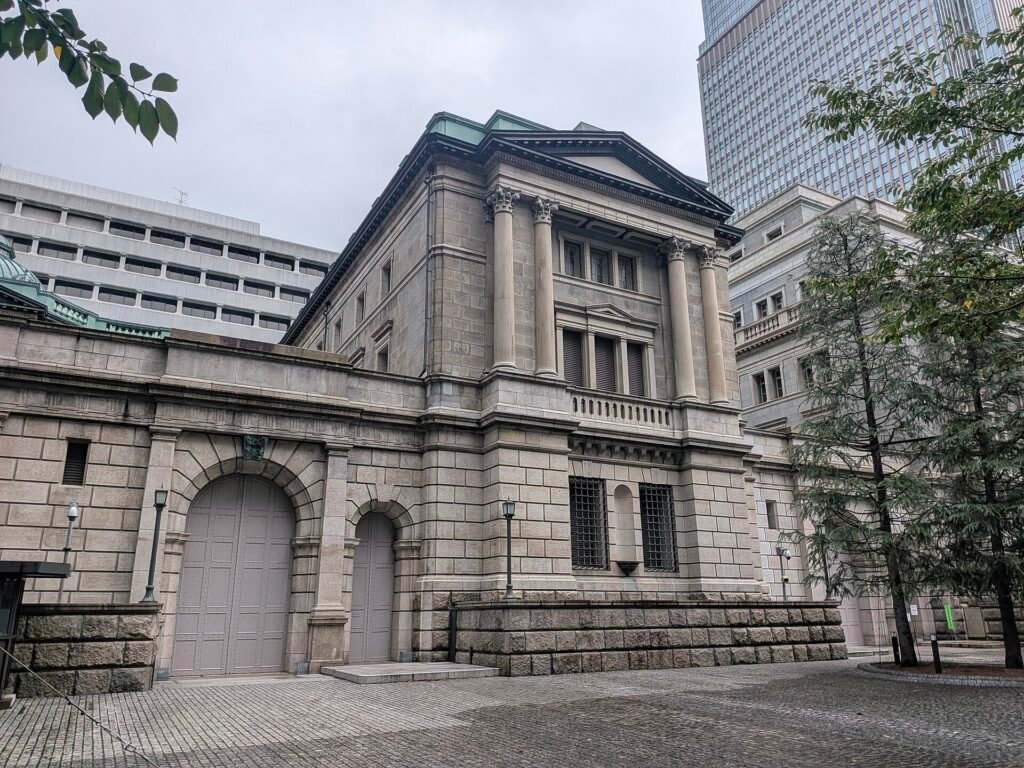
In a survey conducted October 13 through 19, 54 of 78 analysts — roughly 69% — forecast the Bank of Japan will push rates up to 1.50% during the current quarter, nearly twice the proportion holding that view a month earlier. Among those willing to name a specific timeframe, about four in five pointed to December, whereas a mere 2% anticipated action at the two-day gathering wrapping up on October 30. Such a step would represent the third rate increase since June, keeping intact a pattern of tightening roughly every three months.
Survey participants flagged climbing energy and import prices — intensified by yen weakness and ongoing Middle East tensions — as a mounting inflationary force. Several noted that a recent stretch of relative calm in the yen could give the central bank extra latitude to act in December, following a period earlier this year when aggressive currency selling had triggered intervention from both Tokyo and the US Treasury.
According to BOJ policymaker Junko Koeda, the institution shouldn’t let caution dominate its approach to rate increases when inflation risks are skewed meaningfully higher. However, consensus wasn’t universal — a portion of economists contended that the economy lacks sufficient overheating to warrant back-to-back hikes, and that price growth still sits comfortably inside the central bank’s targeted band. Reuters sources indicated that numerous BOJ insiders would rather gather additional evidence on how prior rate moves have fed through to financial conditions before pulling the trigger again.
Longer-horizon expectations have also climbed. Six in ten respondents now anticipate the policy rate hitting 1.75% by June 2027’s close, while 51% foresee an eventual ceiling of 2.00% or higher — up sharply from 40% in the prior month’s poll.
The implications extend to USD/JPY, where the greater danger to the yen may stem not from scheduling but from internal dissent — echoing September’s vote, when two government-appointed board members broke ranks against that hike. Should the BOJ’s rate trajectory firm up further, or should dissent resurface, Japanese government bond yields could also face additional upward pressure.
Sources: Investing.com (economy); FXStreet; investingLive