Bessent cautions Fed against overtightening as stocks correct
Treasury Secretary Scott Bessent said the Federal Reserve could err by tightening policy too much, with US equities already in a correction and the next rate decision due on 9 December.
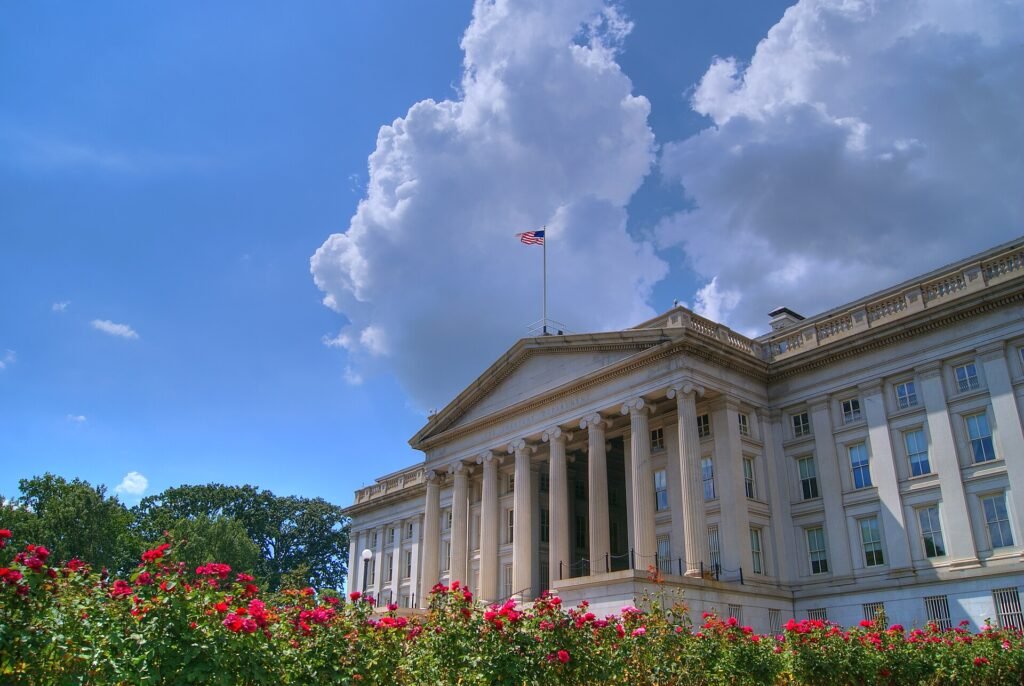
In an appearance on CBS’s Face the Nation, Bessent said a number of observers think the central bank could be erring on the side of excessive tightening. He referenced a series of hawkish statements from Fed governors and argued that financial conditions have tightened considerably in recent months.
His remarks coincided with a slide in US equities into correction territory, fuelled by a widespread retreat in AI-related names. Bessent offered multiple theories for the downturn, tying it to Democratic momentum in opinion surveys, Democrats’ efforts to curb the expansion of artificial intelligence infrastructure, and the central bank’s messaging. He stopped short of naming particular officials or specifying what outcome he wants from the Fed’s December meeting.
These comments extend a line of argument Bessent has pressed for weeks. Speaking to CNBC on 13 November, he suggested that raising rates aggressively amid what he described as a fading energy-driven supply shock would be unwise, describing recent inflation data as noisy. In a subsequent CNBC appearance on 20 November, he objected to the idea of a larger, half-point rate increase, pointing out that one governor now advocating such a move had supported a comparably sized cut less than a year earlier.
The Fed raised its target range to 3.75%-4.00% in September and left it unchanged at the subsequent meeting. Some Fed officials have since indicated openness to additional tightening, contending that the inflationary impact of the energy shock may last longer than the Treasury anticipates. Bessent’s stance mirrors the administration’s thinking rather than the position of the rate-setting committee itself.
Ahead of the Fed’s 9 December decision, markets will track fresh inflation figures, additional central bank signals and the extent of the equity pullback to assess whether a rate increase remains probable and what size it might take.
A roughly quarter-point increase is close to fully priced in rate markets, whereas a steeper stock-market decline could rekindle bets on no change. Any cooling in energy prices would similarly reduce pressure on rate expectations, which in turn affects gold (XAU/USD), a metal that typically weakens when hike odds climb.
Source: investingLive