Kazakhstan joins Iraq in pushing back on OPEC+ capacity figures
Astana wants OPEC+ to lift its official crude capacity estimate, aligning with Iraq's objections four days before the group meets to set its output policy for 2027, Reuters reported.
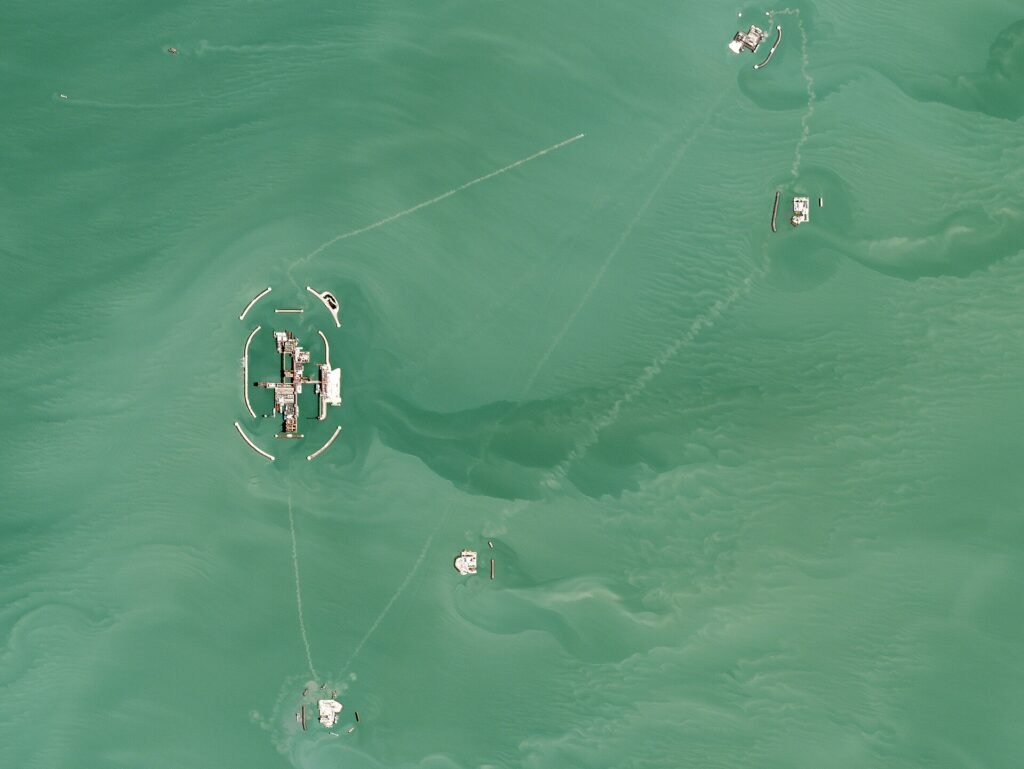
The review, OPEC’s first of its kind, is being carried out by US consultancy DeGolyer and MacNaughton for all member states apart from Russia, Iran and Venezuela. Its purpose is to gauge each country’s sustainable output ceiling, with the results shaping next year’s production allocations. According to people familiar with the matter, the alliance has scheduled discussions this week with countries that reject their assigned figures. Kazakhstan’s energy ministry acknowledged the country took part in the exercise but gave no details on the result or what comes next.
Astana’s present OPEC+ allocation for November and December sits at 1.628 million barrels per day. However, the International Energy Agency calculated that actual Kazakh output reached 1.76 million bpd in October — close to 8% higher than the assigned level. Part of this surplus traces back to Chevron’s Future Growth Project at Tengiz, a $48 billion expansion that began producing in January 2025.
Pipeline problems have nevertheless constrained the country’s supply this year. The Caspian Pipeline Consortium, which carries more than 80% of Kazakhstan’s oil exports through a terminal on Russia’s Black Sea coast, paused loading operations in July following drone strikes on tankers moored there. Combined oil and condensate output slid approximately 21% to 1.63 million bpd from July’s 2.07 million bpd average, while Tengiz volumes dropped by 56%. Back in March, the energy ministry had already cut its 2026 production plan to 96-98 million tonnes from 100.5 million tonnes, citing attacks on the CPC and the situation at Tengiz.
Iraq is pursuing a comparable argument, disputing an initial capacity reading of 4.9 million bpd that falls below the roughly 6 million bpd Baghdad believes it deserves, versus its existing quota of 4.431 million bpd. The IEA’s own figure for Iraq’s sustainable capacity sits at 4.87 million bpd. Iraqi officials have hinted that failure to raise the quota could lead the country to withdraw from OPEC altogether. These tensions echo the UAE’s departure from OPEC and OPEC+ on May 1 and Angola’s exit from OPEC back in January 2024, both rooted in similar quota grievances.
Several Middle Eastern members of the alliance have consistently pumped below their allotted levels for much of 2026, as the Iran war disrupted flows from the Gulf. This has stoked worries that once those flows return to normal, a supply glut could emerge later this year and carry into 2027.
Any reassessment of capacity or dispute over quotas feeds straight into OPEC+’s broader supply strategy, which in turn shapes Brent crude and WTI crude pricing through shifting expectations of tighter or looser global balances.
Source: OilPrice.com