Core PCE at 3.3% keeps December Fed hike fully priced, third-hike odds fall
The Fed's preferred inflation measure, the PCE price index, hit 3.8% annually in October, matching estimates but higher than September, while core PCE topped forecasts at 3.3%.
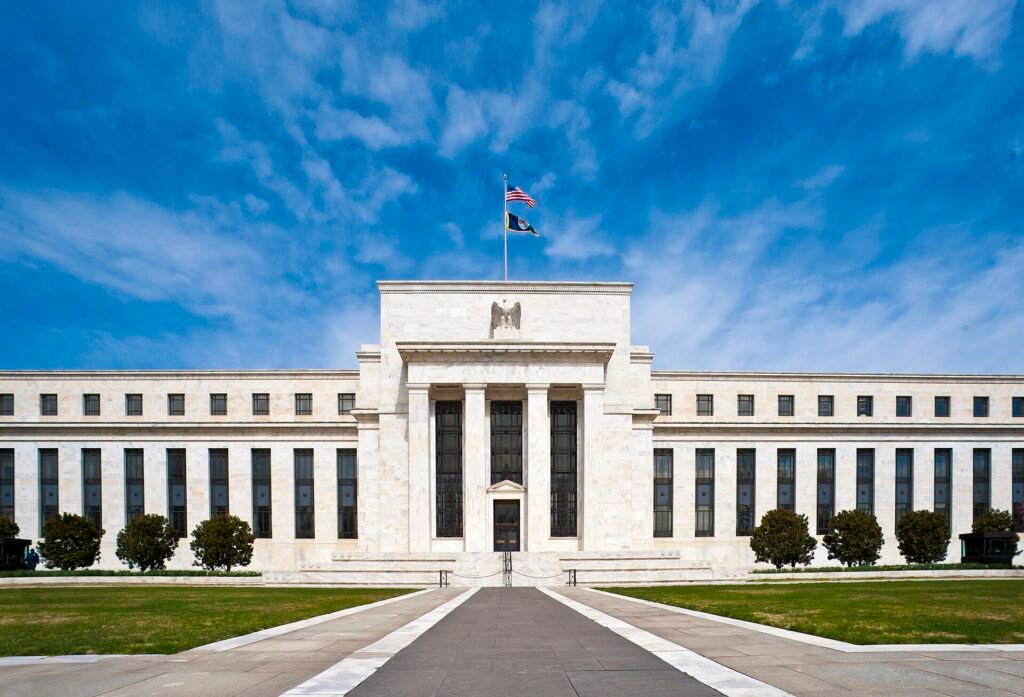
The headline PCE inflation October reading, which serves as the Federal Reserve’s main price benchmark, rose from 3.7% in September, which was revised up from 3.6%, and sits near double the central bank’s 2% objective. Core PCE, which excludes volatile food and energy costs, also came in a tenth above projections at 3.3%, up from 3.1%, a number officials generally regard as a sharper signal of persistent price trends than the headline figure.
A separate Commerce Department update revealed that third-quarter economic output was revised up from 3.4% to a 4.3% annualized expansion, lifted by stronger investment along with increased household and government outlays. A demand indicator the Fed monitors closely, real final sales to private domestic buyers, rose 5.8% after an upward revision of 0.9 percentage point.
Household spending rose 0.3% during October, slightly under projections, whereas personal income jumped 0.7%, above the 0.4% forecast. In real terms, spending was flat. Meanwhile, the savings rate among Americans climbed to 4.1%.
Traders are now fully anticipating a quarter-point rate increase when the Fed convenes December 8-9. After the figures were released, futures markets tracking Fed policy continued to show two more hikes priced in, though the odds of a third move slipped to roughly one-in-three, down from about even on Tuesday, per CME Group’s FedWatch tool. Fwdbonds chief economist Chris Rupkey said inflation “will not be brought under control as long as economic demand is also too hot”.
Price growth has exceeded the Fed’s benchmark for roughly five and a half years, with fresh pressure building earlier this year following the late-February attacks on Iran led by the US and Israel, further compounded by trade tariffs and surging demand tied to artificial intelligence investment. On Wednesday, the Trump administration proposed new tariffs on 14 trading partners, including China, the European Union, and Japan.
Separately, new unemployment claims dropped to 189,000, a decline of 13,000 from the week before and close to the weakest level recorded since the end of the 1960s, undercutting the 200,000 consensus forecast.
The data strengthen the argument for continued Fed tightening, which typically supports the dollar and bond yields. On the day, stock futures added to losses and Treasury yields fell, with the 10-year at 4.84%, as falling equities drove demand for bonds.
Sources: CNBC (economy); Bureau of Economic Analysis; investingLive; FXStreet