Oil flows through Middle East chokepoints rose 19% in Q3 2026
Oil shipments through key Middle East maritime chokepoints climbed 19% in the third quarter of 2026, according to the US Energy Information Administration's (EIA) Global Energy Security Data.
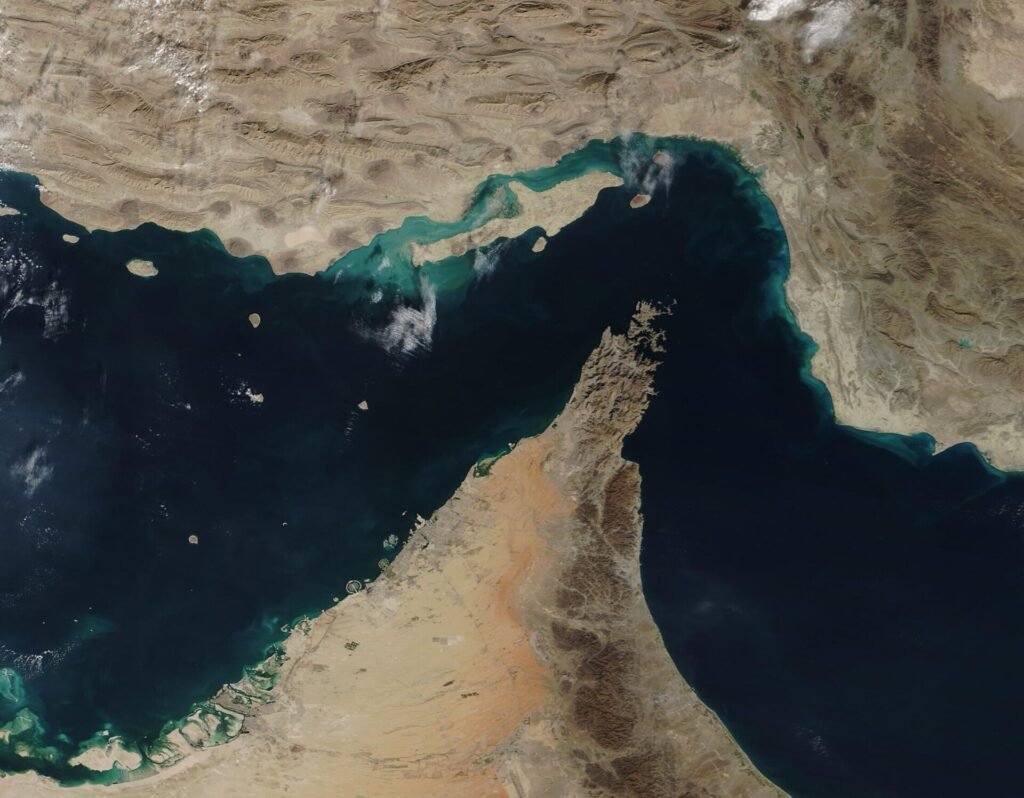
The increase covers combined volumes moving through the region’s main shipping bottlenecks, which carry crude and refined products between producers in the Middle East and buyers worldwide.
The chokepoints tracked are the Strait of Hormuz, the Bab el-Mandeb Strait and the Suez Canal with the SUMED pipeline. Flows through Hormuz and Suez rose from the second quarter, while Bab el-Mandeb volumes fell. Shipments had been severely constrained after the conflict with Iran began.
The EIA said the increase came from using smaller ships to carry oil out of the Persian Gulf for transfer onto very large crude carriers, and from producers making the most of infrastructure that bypasses the highest-risk areas. Middle East crude output reached 23.1 million barrels per day in October, the highest since the conflict started.
Brent averaged $124 a barrel in October, its highest monthly level since the conflict began, but by November 18 it was more than $30 lower. The agency estimates global oil inventories at the end of October were about 400 million barrels below early-April levels, and its November Short-Term Energy Outlook forecasts Brent at $99 in December and $86 on average in 2027.
Higher throughput via these chokepoints points to a partial normalization of regional oil logistics after the disruption seen earlier in 2026, though volumes are being tracked against a backdrop of continued geopolitical risk in the Middle East.
Why it matters for markets: Middle East chokepoints are central to global crude supply routes, so changes in flows through them affect Brent crude and WTI crude pricing by signalling how freely regional supply is reaching international markets.
Source: US EIA (Today in Energy)