US crude stockpiles jump 3.4 million barrels, well above forecast
EIA data for the week ending November 13 showed US commercial crude inventories rising 3.4 million barrels, far more than the 58,000-barrel build expected, while Brent and WTI crude both fell.
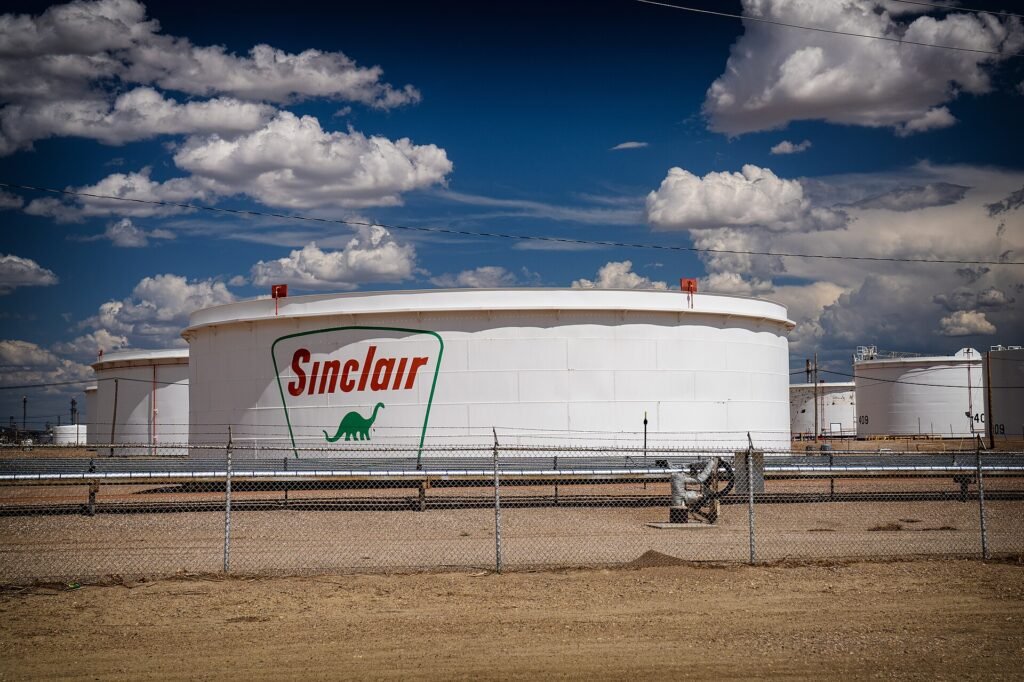
The build lifted stockpiles to 417.8 million barrels, still 3% below the five-year seasonal average, the US Energy Information Administration (EIA) said. Total commercial petroleum inventories rose 9.2 million barrels in the same week.
The increase followed a private estimate from the American Petroleum Institute a day earlier that had pointed to an even larger 5.3 million-barrel rise. Gasoline inventories grew by 5.2 million barrels, well above the roughly 1.6 million-barrel increase expected, even as average daily gasoline output slipped to 9.4 million barrels. Distillate stocks rose 1.6 million barrels, broadly in line with forecasts, though they remain 7% below their five-year norm, with daily distillate production running at 5.2 million barrels.
Demand signals were mixed: total products supplied, a gauge of US oil consumption, eased to a four-week average of 20.6 million barrels a day, down 0.3% from a year earlier. Gasoline demand averaged 8.7 million barrels a day over four weeks, while distillate demand rose 4.3% year-on-year to 4.0 million barrels a day.
Crude prices were already under pressure before the report, weighed down by signs of rising US supply and by upcoming talks among US, Chinese and Russian leaders seen as potentially easing geopolitical risk tied to the Iran and Ukraine conflicts. WTI crude traded near $84.31 a barrel, down about $1.70 on the day, while Brent crude fell to $91.93, off $1.21.
This inventory build adds to a run of weak sessions for oil, with WTI down roughly 4% over three days. Larger-than-expected crude and gasoline builds typically reinforce expectations of ample supply, which can weigh further on crude benchmarks and related energy equities.
Sources: OilPrice.com; investingLive; DTN Progressive Farmer