Germany falls short of gas storage target as EU benchmark tops €100/MWh
Germany has filled its gas storage to only about 61%, well below the EU's 80% winter target, just as the European TTF gas benchmark has held above €100 per MWh for the past week.
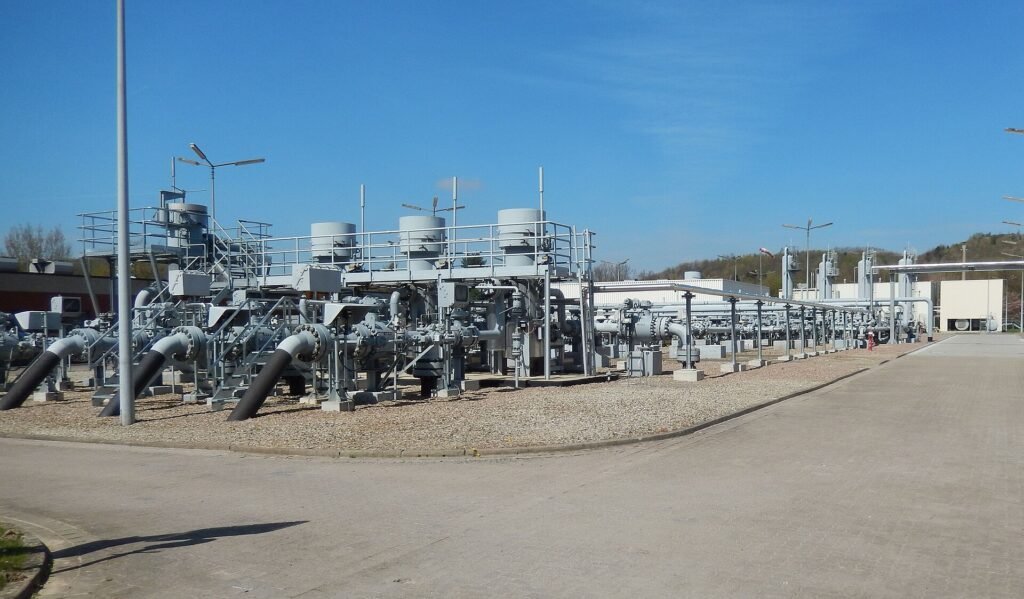
Germany holds the largest gas storage capacity in the European Union, accounting for more than a fifth of the bloc’s total, and is also the EU’s biggest gas consumer. Its storage association, INES, had already warned in September that caverns would likely reach only around 77% by November 1 at prevailing liquefied natural gas (LNG) purchase rates, a forecast that proved too optimistic.
INES said on Sunday that missing the target shows storage commitments need to be enforced more strictly in future winters, and acknowledged that tensions tied to the war in the Middle East had made refilling storage economically unattractive. Many buyers had reportedly held off purchases hoping for a peace deal between Iran and the United States that would ease prices, but instead faced the risk of fresh escalation and an extended force majeure on LNG exports from QatarEnergy.
INES managing director Sebastian Heinermann said Germany’s economy ministry is open to imposing a storage obligation on suppliers, and called for the legal details to be worked out quickly. Not everyone sees the shortfall as critical: Klaus Mueller, head of Germany’s energy regulator, said hitting the storage target is no longer essential for supply security, arguing that timely LNG purchases through winter could cover demand, even as he acknowledged gas prices have risen sharply.
TTF contracts for December 2026, January 2027 and February 2027 are all trading above €100 per MWh, suggesting traders see little prospect of a near-term price relief. With wind and solar output typically low in winter, Germany may need to rely more heavily on coal-fired power to meet demand, a shift analysts have already flagged as growing across the EU due to elevated gas prices. Forecasters also expect a colder-than-usual start to winter in Germany.
Why it matters: Persistently high European gas prices and tight storage in the EU’s largest economy can keep upward pressure on European power and gas prices, weigh on the euro through higher energy import costs, and support coal and carbon-related markets as utilities shift fuel mix during peak winter demand.
Source: OilPrice.com