Iraq lifts Ceyhan oil exports to 500,000 bpd as it reroutes crude
Iraq has raised crude exports through Turkey's Ceyhan terminal to 500,000 barrels per day, up from about 350,000 bpd, as it trucks more Basrah crude north to bypass Strait of Hormuz disruptions tied to the Iran conflict.
A source at the North Oil Company told Kurdistan 24 on Monday that this is the highest volume since the Kirkuk-Ceyhan pipeline resumed operations in September 2025, following a two-and-a-half-year halt caused by a revenue-sharing dispute between Baghdad and the Kurdistan Regional Government.
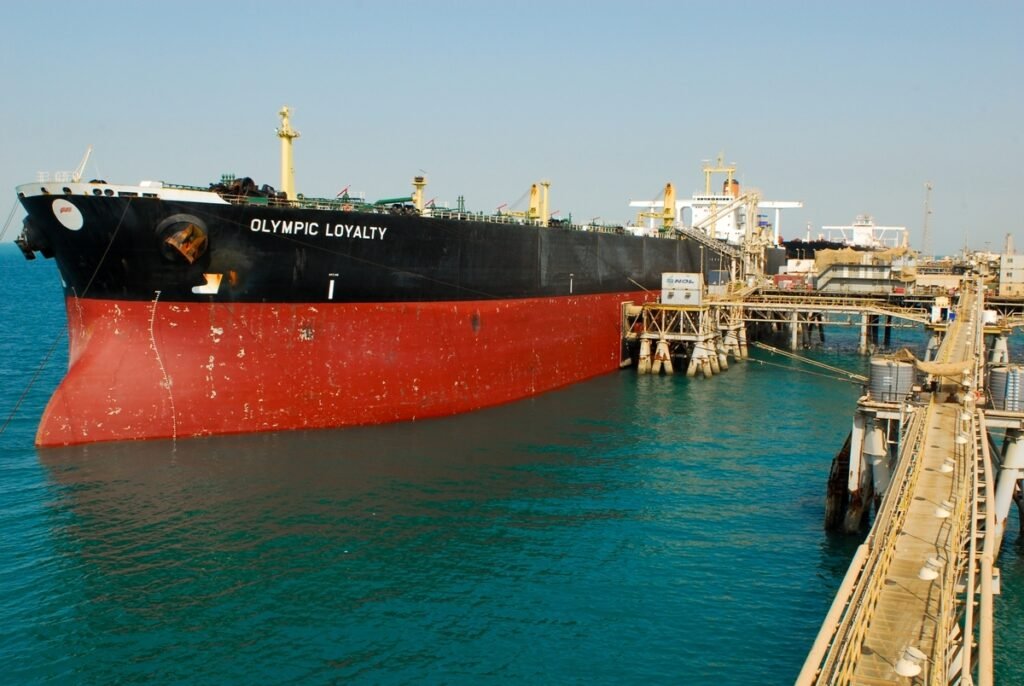
Around 200,000 bpd of the total now consists of Basrah crude from southern Iraq, trucked and shipped by tanker to collection points at Sarallu and Khurmala before being pumped north to the Turkish Mediterranean coast.
The shift reflects the disruption to Hormuz shipping since the war between the United States and Israel on one side and Iran on the other began in March 2026. Southern field output had collapsed by 70% in the early weeks of the conflict, falling to roughly 1.3 million bpd from 4.3 million bpd beforehand.
Production has since recovered, with Iraq combining increased Ceyhan flows with shuttle-shipping and ship-to-ship transfers through the Gulf of Oman to keep crude moving despite the Hormuz chokepoint. Oil Minister Bassem Mohammed Khudair said last month that total exports reached more than 3.4 million bpd in October, close to pre-war levels.
Iraq is also planning a longer-term pipeline link to Syria’s Mediterranean coast to reduce its dependence on the Strait of Hormuz, though that project remains three to four years from completion.
For energy markets, rising alternative export routes out of Iraq ease some of the supply pressure created by Hormuz disruptions, a factor that can influence Brent crude and broader sentiment toward Gulf-linked energy assets.
Source: OilPrice.com