Brent nears $118 as Iran-US tensions and Hormuz attacks escalate
ICE Brent crude is trading near $118 a barrel, on course for a 13-14% monthly gain, as rising attacks near the Strait of Hormuz and reports of military movements fuel fears of renewed US-Iran conflict.
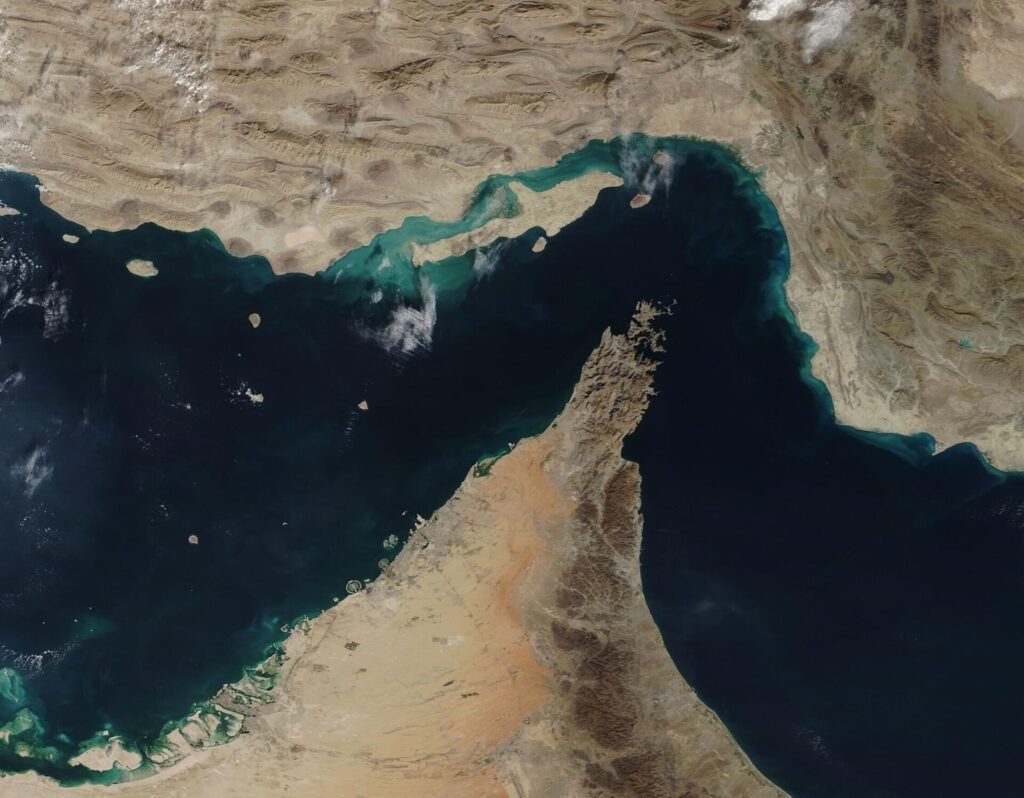
Iran’s Revolutionary Guard Corps (IRGC) said three unidentified tankers struck naval mines in the strait, caught fire and were abandoned after allegedly using an unauthorised route. The US Central Command (Centcom) disputed claims that the main shipping lane itself had been mined. Separately, explosions were reported at Iran’s Jask port, adding to signs that diplomatic efforts led by Qatar and Pakistan have failed to defuse the standoff.
Positioning data from commodity trading advisors (CTAs) is described as strongly skewed toward higher prices, pointing to volatile trading in the days ahead, just before the US midterm elections.
Gulf producers are moving to reduce exposure to the strait. Abu Dhabi’s ADNOC told clients that a second 1.5 million barrels-per-day pipeline bypassing Hormuz, running to Fujairah, will begin deliveries in early 2027. Saudi Aramco has reportedly started offering discounted spot cargoes to European buyers for October and November, routed via the Red Sea to avoid Houthi threats.
Europe’s energy strain is compounding the picture: the TTF gas benchmark pushed past €100 per MWh ($34 per MMBtu), on track for a 42% monthly rise, as storage levels sit at 75% and net withdrawals have begun. EU governments plan to release 42 million barrels from strategic reserves over three months, half of it diesel, with France expecting pump prices to ease by €0.12-0.18 per litre.
Why it matters for markets: Escalating Hormuz risk threatens a chokepoint for roughly a fifth of global oil flows, which can push Brent and WTI crude higher and lift energy-linked currencies such as the Canadian dollar and Norwegian krone, while pressuring equities sensitive to energy costs and keeping European gas prices elevated.
Source: OilPrice.com